
Stay Updated with Our Latest Blogs
Subscribe to our blog and get the latest insurance tips, guides, and industry updates delivered to your inbox
Subscribe to our blog and get the latest insurance tips, guides, and industry updates delivered to your inbox
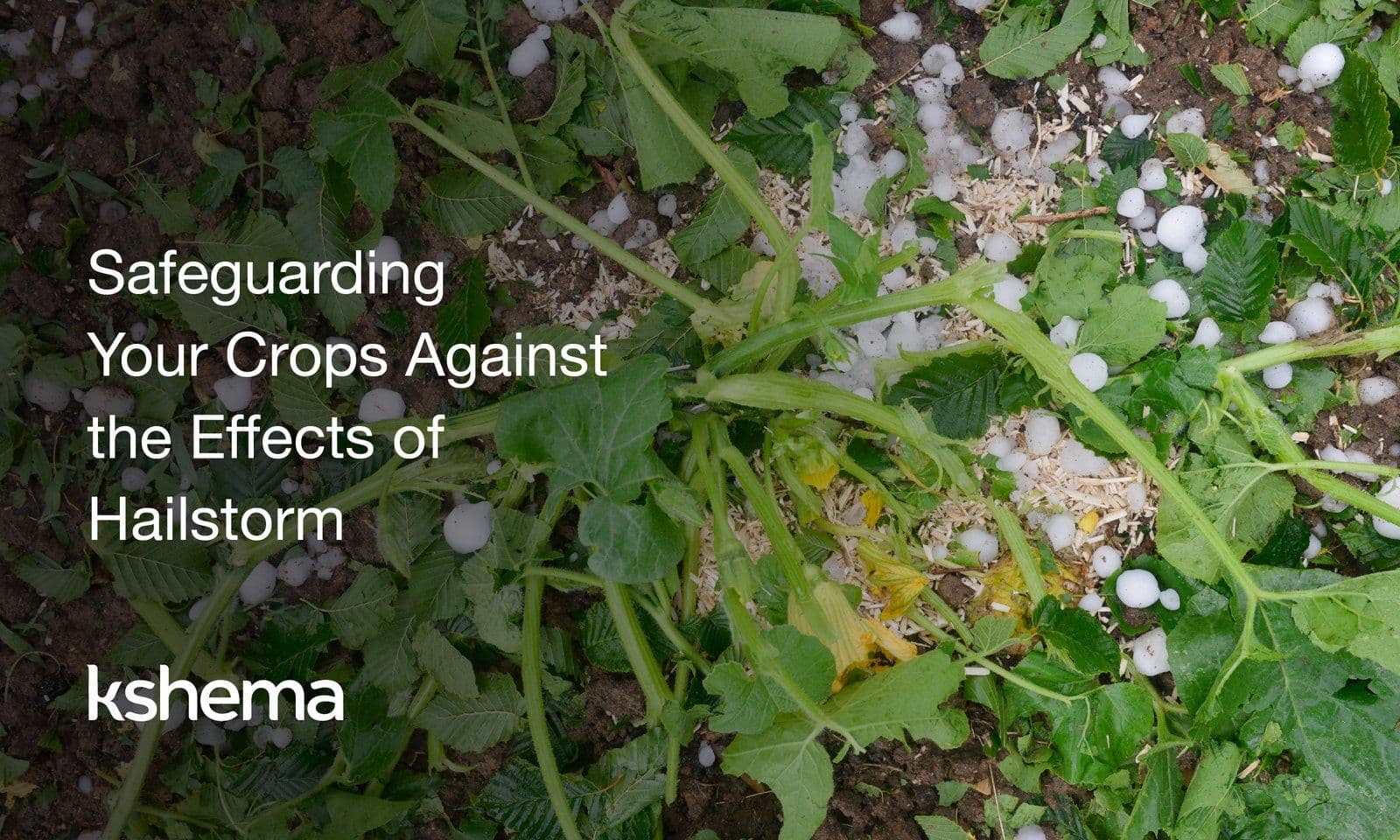
Effects of hailstorm can cause instant and severe crop damage—breaking stems, bruising leaves, destroying flowers and reducing overall yield. Small and marginal farmers are especially vulnerable because even one hailstorm can wipe out an entire season’s effort. This guide explains how hailstorms affect crops, common risks for farmers, protection methods and how crop insurance helps reduce financial loss.
Agriculture is India’s major economic activity with approximately 55 percent of its workforce engaged in agriculture or allied activities while small and marginal farmers constitute over 85% of this population. These farmers, owning less than 5 acres of land, play a vital role in ensuring the nation’s food security. However, they are also most vulnerable to risks, including unpredictable weather and fluctuating market prices. For such small farmers, protection is crucial because even a single crop failure can lead to devastating financial losses.
In this context, crop insurance in India is a lifeline, providing small farmers with the necessary protection and financial stability. This blog delves into why crop insurance is essential for small and marginal farmers, its benefits, and its transformative role for rural India.
Small and marginal farmers in India face a range of challenges that threaten their livelihoods:
These challenges highlight the critical need for safeguards like crop insurance to protect small farmers from financial ruin. By paying a nominal premium, farmers can ensure that they receive their claims in the event of a crop failure.
Small and marginal farmers in India face a range of challenges that threaten their livelihoods:
These challenges highlight the critical need for safeguards like crop insurance to protect small farmers from financial ruin. By paying a nominal premium, farmers can ensure that they receive their claims in the event of a crop failure.
Farmers are at the mercy of nature, more so in a country like India, and adverse weather can wipe out their crops. Crop insurance in India provides financial support during such losses, ensuring that farmers can recover and prepare for the next sowing season.
A single crop failure can push small and marginal farmers into debt or force them to sell their assets. Crop insurance in india offers protection, enabling them to sustain their livelihoods without resorting to desperate measures.
Many small farmers rely on informal credit sources that charge exorbitant interest rates. Crop insurance reduces this dependency by creating a financial safety net with the money received as part of the claim settlement process providing aid during distress.
Crop insurance also incentivises farmers to adopt and invest in modern, and sustainable farming practices by taking away the fear of financial loss, reducing risks in the long run.
Farmers are at the mercy of nature, more so in a country like India, and adverse weather can wipe out their crops. Crop insurance in India provides financial support during such losses, ensuring that farmers can recover and prepare for the next sowing season.
A single crop failure can push small and marginal farmers into debt or force them to sell their assets. Crop insurance in india offers protection, enabling them to sustain their livelihoods without resorting to desperate measures.
Many small farmers rely on informal credit sources that charge exorbitant interest rates. Crop insurance reduces this dependency by creating a financial safety net with the money received as part of the claim settlement process providing aid during distress.
Crop insurance also incentivises farmers to adopt and invest in modern, and sustainable farming practices by taking away the fear of financial loss, reducing risks in the long run.
Hailstorms damage crops by hitting them with ice pellets at high speed. This causes leaf shredding, stem breakage, flower drop, lodging and fruit bruising. Seedlings can be completely destroyed. After hail impact, plants become weak, prone to diseases and fail to complete grain formation.
At Kshema General Insurance, we recognise the vital role of small and marginal farmers in India’s agricultural landscape. Our crop insurance solutions are tailored to meet the unique challenges faced by these farmers, offering them the financial security they deserve.
At Kshema General Insurance, we recognise the vital role of small and marginal farmers in India’s agricultural landscape. Our crop insurance solutions are tailored to meet the unique challenges faced by these farmers, offering them the financial security they deserve.
Hailstorms can severely damage crops within minutes, causing major losses for farmers. Understanding the effects of hail, taking preventive measures and relying on crop insurance helps farmers protect both their yield and income. With the right support and timely coverage, farmers can recover from hail damage and prepare confidently for the next season.
At Kshema General Insurance, we stand by Indian farmers, offering them the tools and support they need to thrive. If you are a farmer looking to secure your crops and livelihood, explore our crop insurance solutions today. Let’s work together to build a resilient farming community for a better tomorrow.
They bruise leaves and fruits, break stems, and trigger disease entry points.
Crops with tender leaves and soft fruit such as vegetables, grapes, cotton, paddy, wheat during flowering, and orchards like mango and apple are highly vulnerable to hailstorm damage.
Farmers should drain excess water, apply fungicides to prevent disease entry, stake/support damaged plants, remove shattered branches, and report the loss immediately if the crop is insured.
Yes. Many crop insurance plans cover hailstorm as a listed peril. Farmers receive compensation for physical crop damage after verification by the insurer.
Use windbreaks, protective nets, strong staking, timely pruning for orchards, adjust sowing dates and follow weather alerts to prepare before hailstorms occur.
Yes. Hailstorm is a covered risk under many crop insurance plans including Kshema Sukriti and government schemes. Compensation depends on damage extent and policy terms.
They bruise leaves and fruits, break stems, and trigger disease entry points.
Crops with tender leaves and soft fruit such as vegetables, grapes, cotton, paddy, wheat during flowering, and orchards like mango and apple are highly vulnerable to hailstorm damage.
Farmers should drain excess water, apply fungicides to prevent disease entry, stake/support damaged plants, remove shattered branches, and report the loss immediately if the crop is insured.
Yes. Many crop insurance plans cover hailstorm as a listed peril. Farmers receive compensation for physical crop damage after verification by the insurer.
Use windbreaks, protective nets, strong staking, timely pruning for orchards, adjust sowing dates and follow weather alerts to prepare before hailstorms occur.
Yes. Hailstorm is a covered risk under many crop insurance plans including Kshema Sukriti and government schemes. Compensation depends on damage extent and policy terms.
“We do not assume any liability for any actions undertaken based on the information provided here. The information gathered from various sources and are displayed here for general guidance and does not constitute any professional advice or warranty of any kind.”
Crop Insurance