
Stay Updated with Our Latest Blogs
Subscribe to our blog and get the latest insurance tips, guides, and industry updates delivered to your inbox
Subscribe to our blog and get the latest insurance tips, guides, and industry updates delivered to your inbox
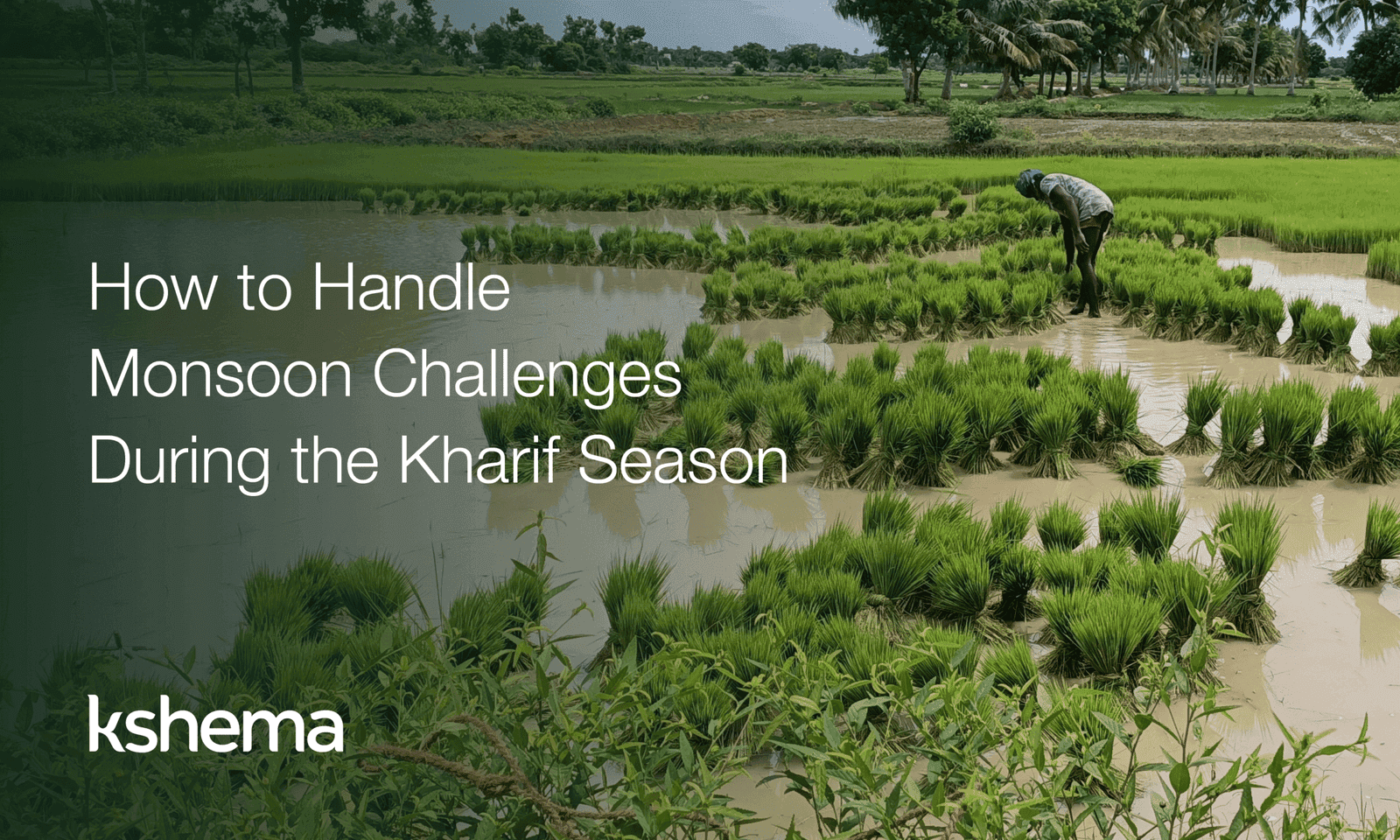
Summary: The Kharif season depends on the monsoon, but erratic rainfall and pest outbreaks can threaten crops. This guide offers 8 smart strategies—like seed treatment, drainage planning, and crop insurance—to help Indian farmers protect their harvest and income. Kharif is the most crucial season in India’s agricultural calendar. Beginning with the onset of the southwest monsoon around June and extending until October, it marks the sowing time for key crops such as paddy, maize, pulses, soybean, cotton, and groundnut.
While the monsoon is essential for a successful kharif season, it also brings significant challenges — erratic rainfall, waterlogging, pest outbreaks, and even crop failure. For farmers, navigating these uncertainties requires timely planning, practical action, and the right safety nets.
At Kshema General Insurance, we understand the impact that monsoon disruptions can have on both crops and livelihoods. This blog outlines key strategies to help you manage monsoon-related risks and make the most of the kharif season.
The kharif season depends almost entirely on the performance of the monsoon. A well-distributed, timely rainfall pattern can boost yields. But too much or too little rain, often beyond a farmer’s control, can lead to losses. Being prepared is not an option. It is vital.
Monitor IMD forecasts and sow crops based on your agro-climatic zone. Use short-duration or drought-resistant varieties if the monsoon is delayed. Avoid sowing before consistent rainfall to prevent seed failure.
Successful farming practices for the kharif season begins before the rains. Monitor weather forecasts from the
Tips:
Traditional ploughing alone won’t protect your crops. Effective drainage is essential to prevent waterlogging, especially in low-lying fields.
What you can do:
Fungal diseases thrive in the damp conditions of the kharif season. Early seed treatment helps avoid issues like seedling blight or root rot.
Recommended practice:
High humidity during the kharif season promotes rapid pest and disease growth. Common issues include:
Prevention tips:
Fertilisers, seeds, and pesticides can degrade if exposed to moisture during monsoon. Safe storage tips:
Despite the rainy season, mid-season dry spells are common in the kharif season. Moisture conservation helps ensure steady crop growth.
Suggestions:
Modern technology can help farmers make smarter decisions during the kharif season. Useful tools:
Knowledge shared is risk reduced.
Even the best preparation cannot guarantee good weather. That’s why crop insurance has become an essential tool for every kharif season.
With Kshema’sSukriti Crop Insurance Policy, you get:
Secure your entire kharif season with Kshema Sukriti policy.
Monitor IMD forecasts and sow crops based on your agro-climatic zone. Use short-duration or drought-resistant varieties if the monsoon is delayed. Avoid sowing before consistent rainfall to prevent seed failure.
Successful farming practices for the kharif season begins before the rains. Monitor weather forecasts from the India Meteorological Department (IMD) and consult your local agricultural officer to choose the ideal sowing window.
Tips:
Traditional ploughing alone won’t protect your crops. Effective drainage is essential to prevent waterlogging, especially in low-lying fields.
What you can do:
Fungal diseases thrive in the damp conditions of the kharif season. Early seed treatment helps avoid issues like seedling blight or root rot.
Recommended practice:
High humidity during the kharif season promotes rapid pest and disease growth. Common issues include:
Prevention tips:
Fertilisers, seeds, and pesticides can degrade if exposed to moisture during monsoon. Safe storage tips:
Despite the rainy season, mid-season dry spells are common in the kharif season. Moisture conservation helps ensure steady crop growth.
Suggestions:
Modern technology can help farmers make smarter decisions during the kharif season. Useful tools:
Knowledge shared is risk reduced.
Even the best preparation cannot guarantee good weather. That’s why crop insurance has become an essential tool for every kharif season.
With Kshema’sSukriti Crop Insurance Policy, you get:
Secure your entire kharif season with Kshema Sukriti policy.
The kharif season holds great potential—if managed wisely. From field preparation and seed care to pest control and insurance cover, each step adds resilience to your farming efforts.
At Kshema General Insurance, we’re committed to supporting the farming community at every stage of the crop cycle. Because protecting your income means protecting your future.
Call our toll-free number 1800 572 3013 today
Your farm deserves more than good luck. It deserves Kshema’s protection.
The Kharif season starts with the southwest monsoon in June and lasts until October. It’s ideal for crops like paddy, maize, and soybean.
Farmers face erratic rainfall, waterlogging, pest outbreaks, and seed failure. Timely sowing, drainage planning, and seed treatment help reduce risks.
Use certified seeds, monitor IMD forecasts, design proper drainage, and adopt pest-resistant crop varieties suited to your region.
The Kharif season starts with the southwest monsoon in June and lasts until October. It’s ideal for crops like paddy, maize, and soybean.
Farmers face erratic rainfall, waterlogging, pest outbreaks, and seed failure. Timely sowing, drainage planning, and seed treatment help reduce risks.
Use certified seeds, monitor IMD forecasts, design proper drainage, and adopt pest-resistant crop varieties suited to your region.
Disclaimer:“We do not assume any liability for any actions undertaken based on the information provided here. The information gathered from various sources and are displayed here for general guidance and does not constitute any professional advice or warranty of any kind.”
Crop Insurance