
Stay Updated with Our Latest Blogs
Subscribe to our blog and get the latest insurance tips, guides, and industry updates delivered to your inbox
Subscribe to our blog and get the latest insurance tips, guides, and industry updates delivered to your inbox
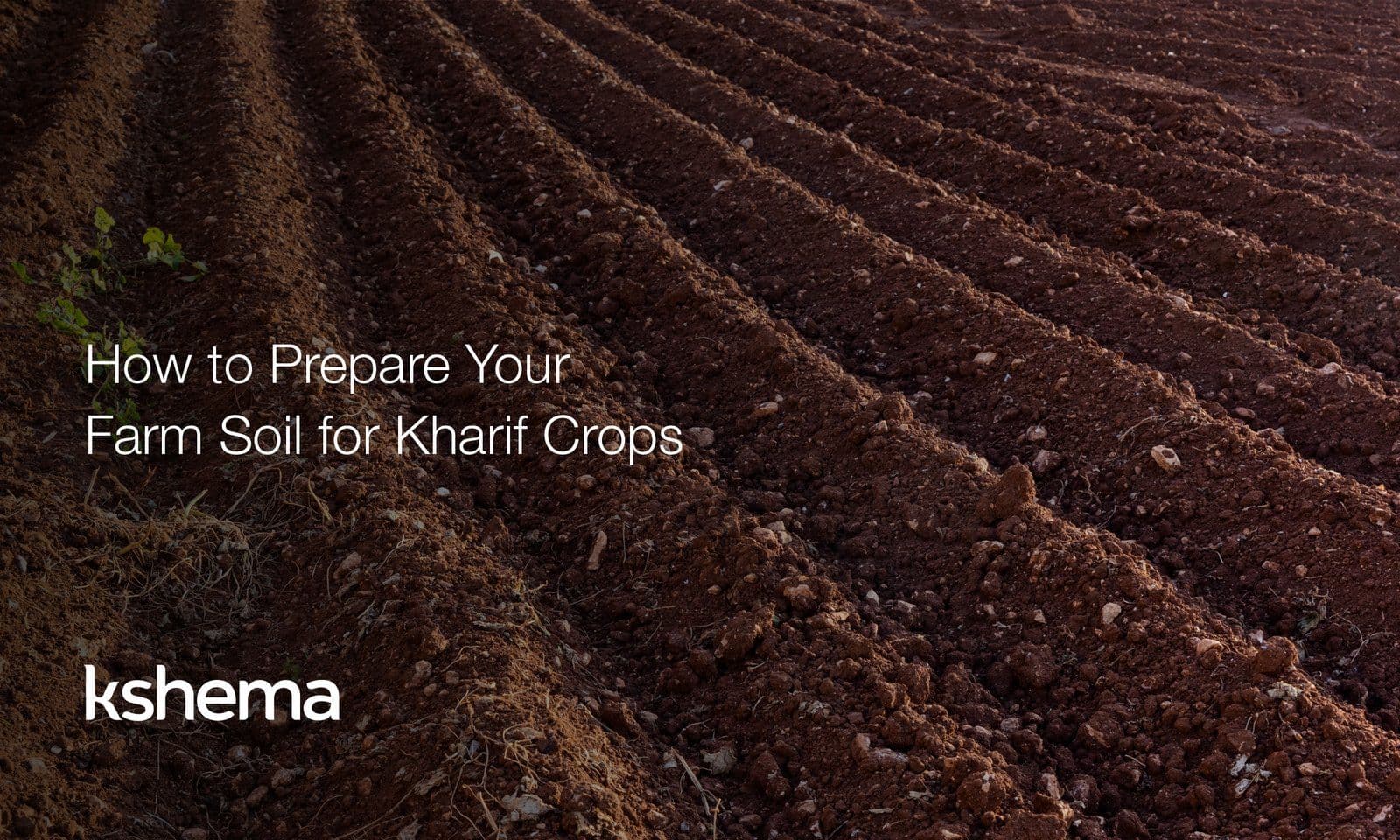
Proper soil preparation is the foundation of a successful Kharif season. Healthy soil ensures better crop growth, improved nutrient absorption, and higher yields. In this guide, we share essential steps for preparing soil for Kharif crops, including ploughing, leveling, organic matter addition, and moisture management. These practices help farmers achieve sustainable productivity and reduce risks during the monsoon season.
The arrival of the monsoon marks the beginning of the kharif season—a crucial period for farmers across India. Kharif crops like paddy, maize, cotton, soyabean, and pulses form the backbone of our country’s agricultural output. But successful yields don’t just depend on rainfall. The real preparation begins before the first drop of rain touches the ground—with your soil.
Ensuring your farm soil is well-prepared for kharif crops is essential for healthy germination, optimal nutrient uptake, and a strong yield. In this blog, we guide you through the key steps to getting your farmland ready for the Kharif season.
Preparing your soil for kharif crops is the first step toward a successful harvest. In this guide, we’ll explore soil preparation for kharif crops, the best kharif crop seeds, and the latest package of practices for kharif crops in 2026 to help farmers boost yield and reduce risk.
The arrival of the monsoon marks the beginning of the kharif season—a crucial period for farmers across India.
The arrival of the monsoon marks the beginning of the kharif season—a crucial period for farmers across India. Kharif crops like paddy, maize, cotton, soyabean, and pulses form the backbone of our country’s agricultural output. But successful yields don’t just depend on rainfall. The real preparation begins before the first drop of rain touches the ground—with your soil. Ensuring your farm soil is well-prepared for kharif crops is essential for healthy germination, optimal nutrient uptake, and a strong yield. In this blog, we guide you through the key steps to getting your farmland ready for the Kharif season. Preparing your soil for kharif crops is the first step toward a successful harvest. In this guide, we’ll explore soil preparation for kharif crops, the best kharif crop seeds, and the latest package of practices for kharif crops in 2026 to help farmers boost yield and reduce risk.
Every plot of land is different. Before preparing your soil, it is important to understand its texture, composition, and fertility.
Different kharif crops thrive in different agro-climatic zones. For example:
Choosing the right Kharif crop isn’t just about rainfall—it’s about matching your soil type, local climate, and market demand. Farmers in high-rainfall zones may prefer paddy or maize, while those in drier regions might opt for cotton or pulses. To make informed decisions, it’s important to understand how Kharif crops differ from Rabi crops in terms of water needs, sowing time, and soil preparation. Explore our full guide on Kharif and Rabi crops in India to compare seasonal strategies and choose what’s best for your farm. Selecting the right crop ensures better compatibility with your soil and climate conditions, thereby reducing the need for excessive water or fertiliser usage.
Before you begin any soil preparation:
Tilling the soil allows air and moisture to penetrate deeper, making it more hospitable for roots and soil organisms.
The best time to apply organic manure is during land preparation—ideally 15 to 20 days before sowing.
Healthy soil supports better germination and resilience against diseases—especially crucial during the kharif season when erratic weather may create additional stress on plants.
Uneven land causes poor water distribution, which can damage or drown your crop—particularly paddy.
Depending on your soil test results:
These amendments should be incorporated into the soil during the final ploughing or as per the recommendation of your local agricultural officer.
During the Kharif season, excess water due to heavy rainfall is a major concern. Waterlogging can:
To prevent this:
With the onset of monsoon, sowing operations of the kharif crops must be well-timed:
Keep an eye on IMD’s rainfall forecasts and plan to sow accordingly. Ensure farm preparation is completed before the first major showers to avoid delays.
Even with the best preparation, farming during the kharif season carries risks—unseasonal, too much or too little rains, earthquakes, animal attacks, and more.
That’s why it’s important to protect your efforts withKshema’s crop insurance policies. Our policies provide financial protection against a wide range of natural perils, allowing you to choose between comprehensive or affordable and customisable cover—helping you recover faster and invest in the next season with confidence.
Learn how to use the kshema app for crop insuranceto protect your crops this season.
Every plot of land is different. Before preparing your soil, it is important to understand its texture, composition, and fertility.
Different kharif crops thrive in different agro-climatic zones. For example:
Choosing the right Kharif crop isn’t just about rainfall—it’s about matching your soil type, local climate, and market demand. Farmers in high-rainfall zones may prefer paddy or maize, while those in drier regions might opt for cotton or pulses. To make informed decisions, it’s important to understand how Kharif crops differ from Rabi crops in terms of water needs, sowing time, and soil preparation. Explore our full guide on Kharif and Rabi crops in India to compare seasonal strategies and choose what’s best for your farm. Selecting the right crop ensures better compatibility with your soil and climate conditions, thereby reducing the need for excessive water or fertiliser usage.
Before you begin any soil preparation:
Tilling the soil allows air and moisture to penetrate deeper, making it more hospitable for roots and soil organisms.
The best time to apply organic manure is during land preparation—ideally 15 to 20 days before sowing.
Healthy soil supports better germination and resilience against diseases—especially crucial during the kharif season when erratic weather may create additional stress on plants.
Uneven land causes poor water distribution, which can damage or drown your crop—particularly paddy.
Depending on your soil test results:
These amendments should be incorporated into the soil during the final ploughing or as per the recommendation of your local agricultural officer.
During the Kharif season, excess water due to heavy rainfall is a major concern. Waterlogging can:
To prevent this:
With the onset of monsoon, sowing operations of the kharif crops must be well-timed:
Keep an eye on IMD’s rainfall forecasts and plan to sow accordingly. Ensure farm preparation is completed before the first major showers to avoid delays.
Even with the best preparation, farming during the kharif season carries risks—unseasonal, too much or too little rains, earthquakes, animal attacks, and more.
That’s why it’s important to protect your efforts withKshema’s crop insurance policies. Our policies provide financial protection against a wide range of natural perils, allowing you to choose between comprehensive or affordable and customisable cover—helping you recover faster and invest in the next season with confidence.
Learn how to use the kshema app for crop insuranceto protect your crops this season.
Preparing your soil well is the first and most crucial step towards a successful kharif harvest. Healthy, nutrient-rich, well-drained soil gives your crops the best possible start—and helps you make the most of the monsoon.
As you gear up for the season, remember: the key to a good yield is not just in the skies above, but also in the ground beneath.
Get your farm ready, choose the right kharif crops, and ensure protection with Kshema’s crop insurance policies.
Quick Summary:
Plough the field, add organic manure, level the soil, and ensure proper drainage before sowing.
Nitrogen, phosphorus, and potassium are key nutrients for healthy Kharif crop growth.
Soil preparation should begin in late May or early June before the onset of monsoon.
Yes, soil tests help select the correct fertilizers and nutrients.
Plough the field, add organic manure, level the soil, and ensure proper drainage before sowing.
Nitrogen, phosphorus, and potassium are key nutrients for healthy Kharif crop growth.
Soil preparation should begin in late May or early June before the onset of monsoon.
Yes, soil tests help select the correct fertilizers and nutrients.
“We do not assume any liability for any actions undertaken based on the information provided here. The information gathered from various sources and are displayed here for general guidance and does not constitute any professional advice or warranty of any kind.”
Crop Insurance