
Stay Updated with Our Latest Blogs
Subscribe to our blog and get the latest insurance tips, guides, and industry updates delivered to your inbox
Subscribe to our blog and get the latest insurance tips, guides, and industry updates delivered to your inbox
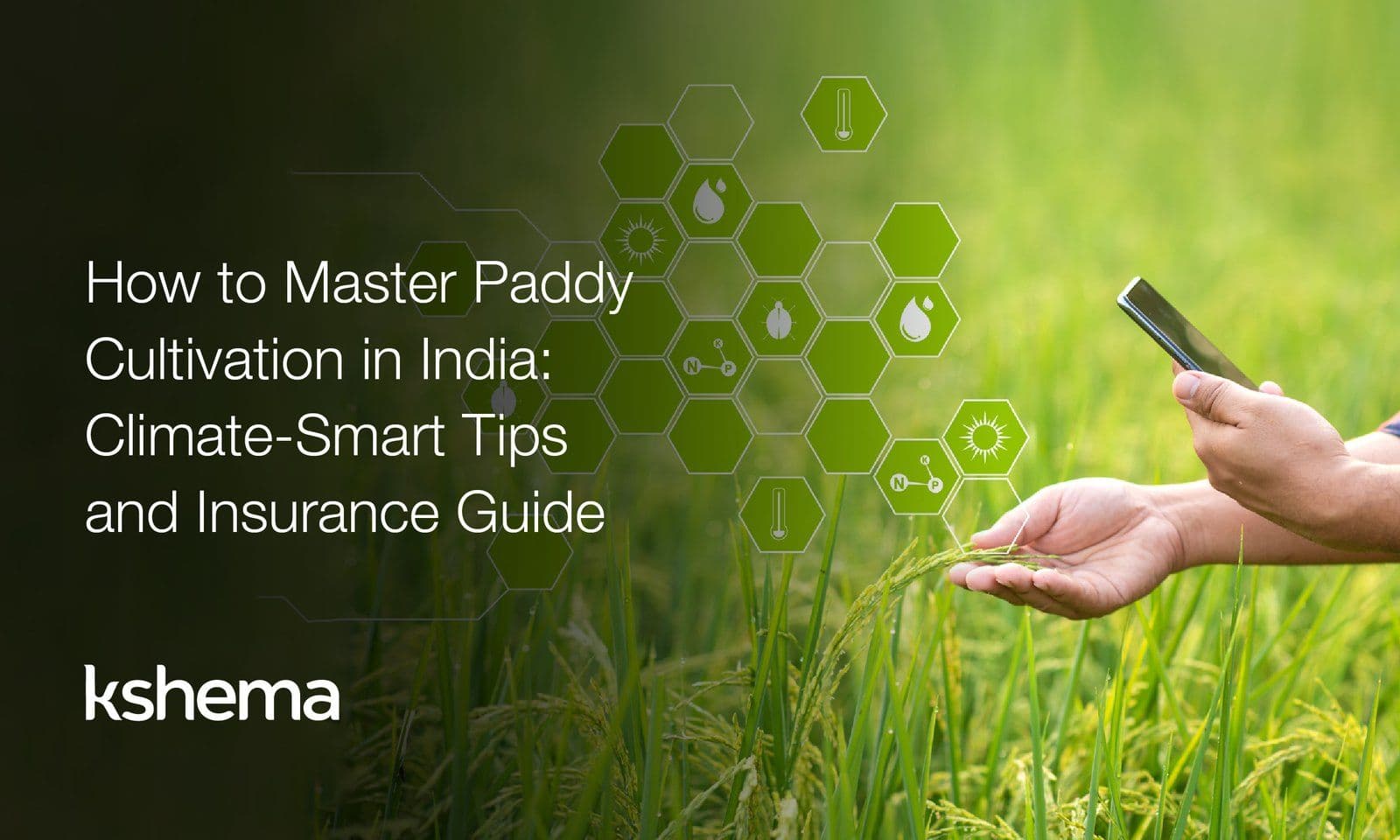
Paddy cultivation plays a pivotal role in India’s agriculture. It is the main crop of the Kharif season, which is essential to guarantee India’s food security. With nearly 50% of India’s population dependent on agriculture, mastering the best practices for paddy cultivation has never been more crucial. From choosing the right variety to climate adaptation strategies and securing crop insurance, this guide covers everything a farmer needs for a successful paddy seasons.
India recently overtook China as the largest producer of rice in the world. Paddy cultivation is not only important for food security of the country but it also forms the backbone of rural livelihoods. It is primarily grown during the Kharif season (June to October), though Rabi paddy is also cultivated in specific regions.
Due to changing climate patterns, water scarcity, and pest outbreaks, farmers must adopt sustainable and
Paddy can be covered by crop insurance when your district/season/crop is officially notified by the program or provider. Coverage typically includes weather risks (flood, drought, cyclone, hail) and may include pest/disease per local rules. Eligibility requires sowing within the notified window, valid documents, and on‑time premium payment. Always confirm notifications and last dates for your area before enrolling.
Tip: Monitor local weather conditions regularly to adjust sowing and irrigation practices.
India recently overtook China as the largest producer of rice in the world. Paddy cultivation is not only important for food security of the country but it also forms the backbone of rural livelihoods. It is primarily grown during the Kharif season (June to October), though Rabi paddy is also cultivated in specific regions.
Due to changing climate patterns, water scarcity, and pest outbreaks, farmers must adopt sustainable and climate-smart paddy cultivation practices to ensure both yield and income stability.
Paddy can be covered by crop insurance when your district/season/crop is officially notified by the program or provider. Coverage typically includes weather risks (flood, drought, cyclone, hail) and may include pest/disease per local rules. Eligibility requires sowing within the notified window, valid documents, and on‑time premium payment. Always confirm notifications and last dates for your area before enrolling.
Tip: Monitor local weather conditions regularly to adjust sowing and irrigation practices.
Subscribe to agri-weather alerts for sowing, irrigation, and pesticide scheduling.
Varieties like Sahbhagi Dhan and DRR Dhan 42 are suitable for water-scarce regions.
Reduces water usage, labour, and greenhouse gas emissions.
Conserves soil moisture and reduces weed pressure in paddy fields.
Subscribe to agri-weather alerts for sowing, irrigation, and pesticide scheduling.
Varieties like Sahbhagi Dhan and DRR Dhan 42 are suitable for water-scarce regions.
Reduces water usage, labour, and greenhouse gas emissions.
Conserves soil moisture and reduces weed pressure in paddy fields.
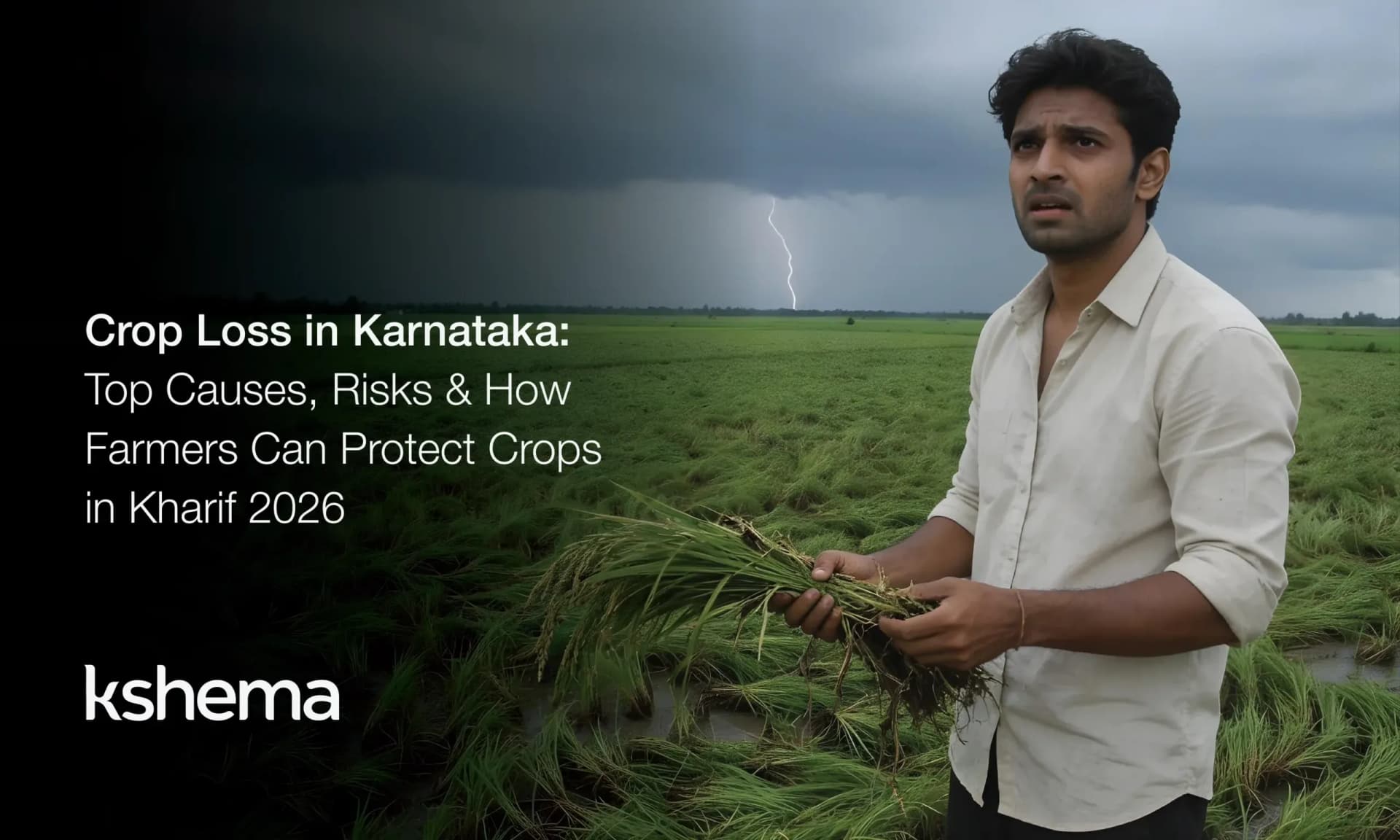
Paddy farmers are highly vulnerable to losses due to drought, floods, pest outbreaks, and cyclones. Crop insurance ensures financial stability in such cases.
Modern farming tools like drones, soil sensors, satellite imagery, and AI-powered platforms such as Kshema are revolutionising paddy cultivation in India. These tools offer:
Kshema’s intelligent mobile app helps farmers track rainfall patterns, identify optimal sowing windows, receive fertiliser recommendations, and manage insurance claims—all in one place. This reduces guesswork and enhances on-ground decision-making. By integrating Kshema's digital solutions, farmers can adopt precision farming practices that not only improve yield but also reduce costs. Kshema also connects farmers with government schemes and insurance products tailored to their region, ensuring both financial safety and agronomic efficiency. Embracing technology through Kshema can truly transform paddy cultivation into a profitable and future-ready enterprise.
Paddy farmers are highly vulnerable to losses due to drought, floods, pest outbreaks, and cyclones. Crop insurance ensures financial stability in such cases.
Modern farming tools like drones, soil sensors, satellite imagery, and AI-powered platforms such as Kshema are revolutionising paddy cultivation in India. These tools offer:
Kshema’s intelligent mobile app helps farmers track rainfall patterns, identify optimal sowing windows, receive fertiliser recommendations, and manage insurance claims—all in one place. This reduces guesswork and enhances on-ground decision-making. By integrating Kshema's digital solutions, farmers can adopt precision farming practices that not only improve yield but also reduce costs. Kshema also connects farmers with government schemes and insurance products tailored to their region, ensuring both financial safety and agronomic efficiency. Embracing technology through Kshema can truly transform paddy cultivation into a profitable and future-ready enterprise.
Paddy cultivation in India stands at the intersection of age-old traditions and emerging innovation. To succeed in a climate-vulnerable world, Indian farmers must adopt sustainable practices, leverage technology, and protect their crops through insurance.
Kshema empowers farmers with the tools, knowledge, and security they need by providing tailormade insurance solutions – Prakriti, Sukriti, and Samriddhi for their crops to protect their livelihoods. From climate-smart tips to insurance support, Kshema is not just a service—it’s a farming companion. Whether you’re seeking guidance on soil health, protection from unpredictable weather, or faster access to claims, Kshema ensures you're never farming alone.
By adopting Kshema’s suite of solutions, farmers can boost productivity, minimise risk, and ensure a stable livelihood. Together, let’s cultivate a safer, smarter, and more resilient future for Indian agriculture.
Paddy cultivation involves land preparation, nursery raising, transplanting seedlings, irrigation, pest management, and harvesting.
In Haryana, the paddy season begins with sowing in June–July (Kharif season) and harvesting in October–November.
Paddy (rice) is India’s staple food crop, feeding millions, supporting rural livelihoods, and contributing significantly to agricultural GDP.
Paddy cultivation involves land preparation, nursery raising, transplanting seedlings, irrigation, pest management, and harvesting.
In Haryana, the paddy season begins with sowing in June–July (Kharif season) and harvesting in October–November.
Paddy (rice) is India’s staple food crop, feeding millions, supporting rural livelihoods, and contributing significantly to agricultural GDP.
“We do not assume any liability for any actions undertaken based on the information provided here. The information gathered from various sources and are displayed here for general guidance and does not constitute any professional advice or warranty of any kind.”
Crop Insurance