
Stay Updated with Our Latest Blogs
Subscribe to our blog and get the latest insurance tips, guides, and industry updates delivered to your inbox
Subscribe to our blog and get the latest insurance tips, guides, and industry updates delivered to your inbox
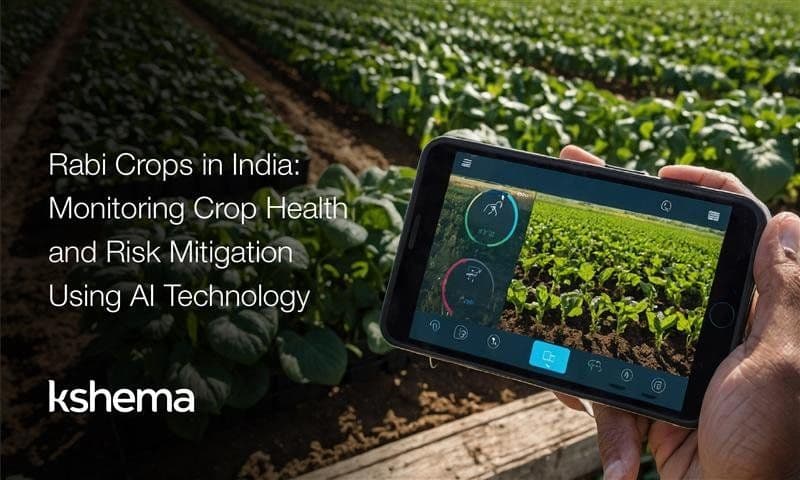
The Rabi season plays a vital role in India’s annual agricultural output. Rabi crops like wheat, mustard and pulses are vital for India’s winter farming season, but challenges such as irrigation delays, weather changes and pest outbreaks still affect productivity. With AI tools becoming more common, AI technology in agriculture has emerged as a game-changer in monitoring crop health in real time and manage risks more accurately. This blog explains how artificial intelligence supports Rabi crops in India, helping farmers improve yield, reduce losses and make smarter decisions in 2026.
a { text-decoration: none; color: #464feb; } tr th, tr td { border: 1px solid #e6e6e6; } tr th { background-color: #f5f5f5; }
Rabi crops depend on the right balance of irrigation, soil moisture and temperature. Even small fluctuations can affect wheat grain filling or mustard flowering. AI systems track these conditions in real time and alert farmers about stress, pest signals or water gaps, helping them act before damage occurs. Farmers can also explore our guide onsmart irrigation techniques for better water management.
Artificial intelligence combines satellite images, drone scans and sensor data to identify early crop stress, nutrient issues and irrigation gaps. It compares your field’s growth with regional patterns and warns if crops are lagging, helping farmers take timely and accurate actions.
AI algorithms analyse high-resolution images to detect early signs of crop stress. For example:
These insights are delivered to farmers via mobile apps or dashboards, allowing them to take targeted action, whether it is applying fertiliser, adjusting irrigation, or deploying pest control methods.
IoT devices placed in fields collect data on soil moisture, temperature, and nutrient levels. AI systems interpret this data to:
This level of precision helps reduce input costs and improves crop resilience.
AI models can track crop growth stages and compare them against expected benchmarks. The system can identify possible causes such as poor soil health, inadequate sunlight, or pest damage, and suggest corrective measures promptly if a crop is taking longer than it should to reach a specific stage in its lifecycle.
AI algorithms analyse high-resolution images to detect early signs of crop stress. For example:
These insights are delivered to farmers via mobile apps or dashboards, allowing them to take targeted action, whether it is applying fertiliser, adjusting irrigation, or deploying pest control methods.
IoT devices placed in fields collect data on soil moisture, temperature, and nutrient levels. AI systems interpret this data to:
This level of precision helps reduce input costs and improves crop resilience.
AI models can track crop growth stages and compare them against expected benchmarks. The system can identify possible causes such as poor soil health, inadequate sunlight, or pest damage, and suggest corrective measures promptly if a crop is taking longer than it should to reach a specific stage in its lifecycle.
AI models predict pests, frost and weather risks before they occur. If humidity rises, farmers receive fungal warnings; if frost risk is high, AI suggests protective irrigation timings. This predictive approach reduces crop loss and improves planning.
AI tools can predict pest outbreaks based on humidity, temperature, and crop type. For instance, if conditions are favourable for aphids in mustard fields, farmers receive early warnings and can apply biocontrols or neem-based sprays before the infestation spreads.
AI systems estimate expected yields based on sowing date, seed variety, and field conditions. This helps farmers plan the logistics involved in harvesting, storage, and market strategies more effectively.
Unseasonal rain or frost can severely impact Rabi crops. AI-powered climate models simulate different scenarios and recommend adaptive strategies, such as:
These insights are especially valuable in regions prone to climate variability, helping farmers plan more effectively and reduce uncertainty.
AI tools can predict pest outbreaks based on humidity, temperature, and crop type. For instance, if conditions are favourable for aphids in mustard fields, farmers receive early warnings and can apply biocontrols or neem-based sprays before the infestation spreads.
AI systems estimate expected yields based on sowing date, seed variety, and field conditions. This helps farmers plan the logistics involved in harvesting, storage, and market strategies more effectively.
Unseasonal rain or frost can severely impact Rabi crops. AI-powered climate models simulate different scenarios and recommend adaptive strategies, such as:
These insights are especially valuable in regions prone to climate variability, helping farmers plan more effectively and reduce uncertainty.
At Kshema, we believe that technology and insurance must work together to protect farmers. Ourcrop insurance products like Kshema Sukriti and Kshema Prakriti are designed to complement AI-based monitoring systems.
We use satellite-based imagery for quickclaim assessment, ideal for farmers who prefer speed, accuracy, and transparency while using advanced monitoring tools and seeking protection for their crops. This enables farmers to make informed decisions and recover quickly from unforeseen events.
While the potential is immense, there are hurdles to overcome:
AI is transforming Rabi farming by offering early alerts, accurate monitoring and better risk prediction. With tools like satellite analysis, weather forecasting and smart irrigation, farmers can protect their crops and improve yield.
As government initiatives like CROPIC, ISRO’s monitoring framework, and the National Pest Surveillance System continue to expand. Kshema supports this journey through technology‑enabled crop insurance and fast, transparent claim assessment.
At Kshema, we believe that technology and insurance must work together to protect farmers. Ourcrop insurance products like Kshema Sukriti and Kshema Prakriti are designed to complement AI-based monitoring systems.
We use satellite-based imagery for quickclaim assessment, ideal for farmers who prefer speed, accuracy, and transparency while using advanced monitoring tools and seeking protection for their crops. This enables farmers to make informed decisions and recover quickly from unforeseen events.
While the potential is immense, there are hurdles to overcome:
AI is transforming Rabi farming by offering early alerts, accurate monitoring and better risk prediction. With tools like satellite analysis, weather forecasting and smart irrigation, farmers can protect their crops and improve yield.
As government initiatives like CROPIC, ISRO’s monitoring framework, and the National Pest Surveillance System continue to expand. Kshema supports this journey through technology‑enabled crop insurance and fast, transparent claim assessment.
Rabi crops are winter‑sown crops like wheat, mustard and pulses grown using irrigation.
AI monitors crop health, predicts pests, optimises irrigation and warns farmers about risks early.
AI reduces losses, improves yield, saves water and gives timely crop health alerts.
Yes, AI analyses weather patterns to forecast frost, rainfall changes and temperature risks.
Kshema uses satellite data and analytics for quicker, more accurate crop assessments.
Rabi crops are winter‑sown crops like wheat, mustard and pulses grown using irrigation.
AI monitors crop health, predicts pests, optimises irrigation and warns farmers about risks early.
AI reduces losses, improves yield, saves water and gives timely crop health alerts.
Yes, AI analyses weather patterns to forecast frost, rainfall changes and temperature risks.
Kshema uses satellite data and analytics for quicker, more accurate crop assessments.
“We do not assume any liability for any actions undertaken based on the information provided here. The information gathered from various sources and are displayed here for general guidance and does not constitute any professional advice or warranty of any kind.”
Crop Insurance