
Stay Updated with Our Latest Blogs
Subscribe to our blog and get the latest insurance tips, guides, and industry updates delivered to your inbox
Subscribe to our blog and get the latest insurance tips, guides, and industry updates delivered to your inbox
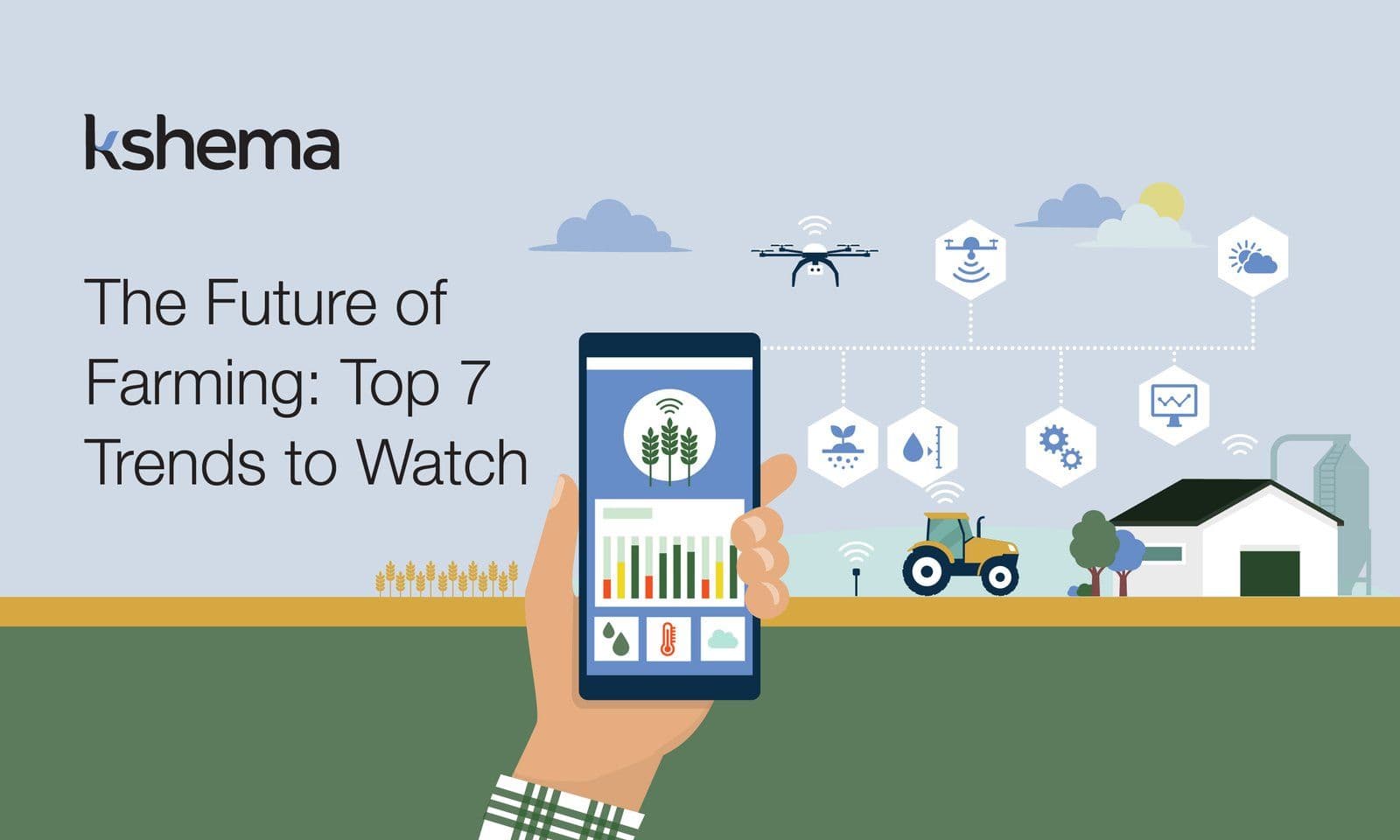
The future of farming in India is shaped by precision agriculture, AI-driven crop monitoring, climate-resilient practices, and digital platforms that empower farmers with real-time insights. Technologies like drones, IoT sensors, and satellite data are improving yield prediction and resource efficiency. Government-backed initiatives such as Digital Agriculture Mission are accelerating this transformation by promoting smart farming tools and data interoperability. These innovations aim to make farming more sustainable, profitable, and resilient to climate change.
Wondering what farming will look like in 2026? From drones to digital crop insurance, here are 7 trends reshaping agriculture — and how you can benefit.
As we advance, the future of farming promises to be one of innovation and transformation. Faced with challenges like climate change, food security, and the need for sustainable practices, agriculture is rapidly evolving. From precision farming and automation to sustainable methods and crop insurance innovations, farming is set to undergo exciting changes.
This blog explores key trends shaping the future of farming and what they mean for farmers, agribusinesses, and consumers.
The impact of precision farming is significant. By using data to drive decisions, farmers can increase crop yield, reduce waste, and lower costs. In the future, advancements in AI and machine learning are expected to make precision farming even more effective, creating a high-tech approach to traditional agriculture.
The future of farming will see more affordable and accessible robotic solutions. As robots become capable of handling delicate tasks, farmers will have access to a wider range of automated tools, making it easier to manage large-scale farming operations.
Sustainability is a major focus of the farming evolution, with methods like regenerative agriculture gaining traction. Unlike traditional farming, which can deplete soil and water resources, regenerative agriculture aims to restore soil health, increase biodiversity, and reduce greenhouse gas emissions.
Farmers are increasingly adopting sustainable practices to protect their land and improve long-term productivity. Moreover, sustainable farming is becoming more profitable as consumers demand organic and eco-friendly products. The focus on soil health and environmental preservation will likely shape the future of farming, making it both sustainable and resilient.
With limited arable land and growing urban populations, vertical and urban farming are rapidly emerging as viable solutions. Vertical farming involves growing crops in stacked layers within controlled environments, while urban farming brings agriculture to cities, using rooftops, vacant lots, and indoor spaces.
While still a niche area, vertical and urban farming are expected to expand in the coming years. As these methods become more accessible and cost-effective, they will likely contribute to local food systems, reduce dependency on imports, and enhance food security.
Kshema General Insurance, for instance, is exploring innovative ways to streamline the claims process and enhance accessibility, making it easier for farmers to protect their crops. As technology progresses, crop insurance will continue to evolve, ensuring farmers can recover from setbacks they suffer from crop loss.
Advances in genomics and plant biotechnology are revolutionising agriculture by enabling the development of crops that are more resilient, nutritious, and high-yielding. Through genetic modification and selective breeding, scientists can produce crops that withstand environmental perils and diseases
The future of farming is set to see increased adoption of genetically enhanced crops, especially in regions vulnerable to climate change. By using biotechnological advancements, farmers can produce more food with fewer resources, helping ensure global food security.
Advanced digital platforms that use data science and analytics are transforming the way farmers access information, connect with markets, and make decisions. From e-commerce for farm products to platforms providing real-time data, digital tools are empowering farmers to make informed choices and reach consumers directly.
Digital support in agriculture is essential for smallholder farmers, who may lack access to traditional resources. As digital tools become more widespread, they will enable farmers to improve productivity, reach wider markets, and secure better prices.
The impact of precision farming is significant. By using data to drive decisions, farmers can increase crop yield, reduce waste, and lower costs. In the future, advancements in AI and machine learning are expected to make precision farming even more effective, creating a high-tech approach to traditional agriculture.
The future of farming will see more affordable and accessible robotic solutions. As robots become capable of handling delicate tasks, farmers will have access to a wider range of automated tools, making it easier to manage large-scale farming operations.
Sustainability is a major focus of the farming evolution, with methods like regenerative agriculture gaining traction. Unlike traditional farming, which can deplete soil and water resources, regenerative agriculture aims to restore soil health, increase biodiversity, and reduce greenhouse gas emissions.
Farmers are increasingly adopting sustainable practices to protect their land and improve long-term productivity. Moreover, sustainable farming is becoming more profitable as consumers demand organic and eco-friendly products. The focus on soil health and environmental preservation will likely shape the future of farming, making it both sustainable and resilient.
With limited arable land and growing urban populations, vertical and urban farming are rapidly emerging as viable solutions. Vertical farming involves growing crops in stacked layers within controlled environments, while urban farming brings agriculture to cities, using rooftops, vacant lots, and indoor spaces.
While still a niche area, vertical and urban farming are expected to expand in the coming years. As these methods become more accessible and cost-effective, they will likely contribute to local food systems, reduce dependency on imports, and enhance food security.
Kshema General Insurance, for instance, is exploring innovative ways to streamline the claims process and enhance accessibility, making it easier for farmers to protect their crops. As technology progresses, crop insurance will continue to evolve, ensuring farmers can recover from setbacks they suffer from crop loss.
Advances in genomics and plant biotechnology are revolutionising agriculture by enabling the development of crops that are more resilient, nutritious, and high-yielding. Through genetic modification and selective breeding, scientists can produce crops that withstand environmental perils and diseases
The future of farming is set to see increased adoption of genetically enhanced crops, especially in regions vulnerable to climate change. By using biotechnological advancements, farmers can produce more food with fewer resources, helping ensure global food security.
Advanced digital platforms that use data science and analytics are transforming the way farmers access information, connect with markets, and make decisions. From e-commerce for farm products to platforms providing real-time data, digital tools are empowering farmers to make informed choices and reach consumers directly.
Digital support in agriculture is essential for smallholder farmers, who may lack access to traditional resources. As digital tools become more widespread, they will enable farmers to improve productivity, reach wider markets, and secure better prices.
The evolution of farming in India and globally is marked by remarkable innovations that are reshaping how we produce food. From precision farming and sustainable methods to advancements in crop insurance and plant genetics, these trends promise a brighter, more resilient agricultural landscape. By embracing these developments, farmers can look forward to a future where agriculture is more productive, sustainable, and profitable.
At Kshema General Insurance, we’re excited to support this future, offering crop insurance solutions that help farmers thrive in the ever-changing world. Want to protect your farm with smart insurance? Explore Kshema’s crop coverage plans today.”
Key trends include precision agriculture, AI-powered farm management, vertical farming, climate-resilient crops, and sustainable practices. These innovations aim to boost productivity while reducing environmental impact.
Technologies like drones, robotics, smart sensors, and data analytics will automate tasks, optimize resource use, and help farmers make real-time decisions for better yield and efficiency.
Yes. With growing concerns over climate change and soil degradation, sustainable farming practices—like organic cultivation, crop rotation, and regenerative techniques—are becoming essential for long-term food security.
Key trends include precision agriculture, AI-powered farm management, vertical farming, climate-resilient crops, and sustainable practices. These innovations aim to boost productivity while reducing environmental impact.
Technologies like drones, robotics, smart sensors, and data analytics will automate tasks, optimize resource use, and help farmers make real-time decisions for better yield and efficiency.
Yes. With growing concerns over climate change and soil degradation, sustainable farming practices—like organic cultivation, crop rotation, and regenerative techniques—are becoming essential for long-term food security.
“We do not assume any liability for any actions undertaken based on the information provided here. The information gathered from various sources and are displayed here for general guidance and does not constitute any professional advice or warranty of any kind.”
Crop Insurance