

Stay Updated with Our Latest Blogs
Subscribe to our blog and get the latest insurance tips, guides, and industry updates delivered to your inbox
Subscribe to our blog and get the latest insurance tips, guides, and industry updates delivered to your inbox
Health Insurance
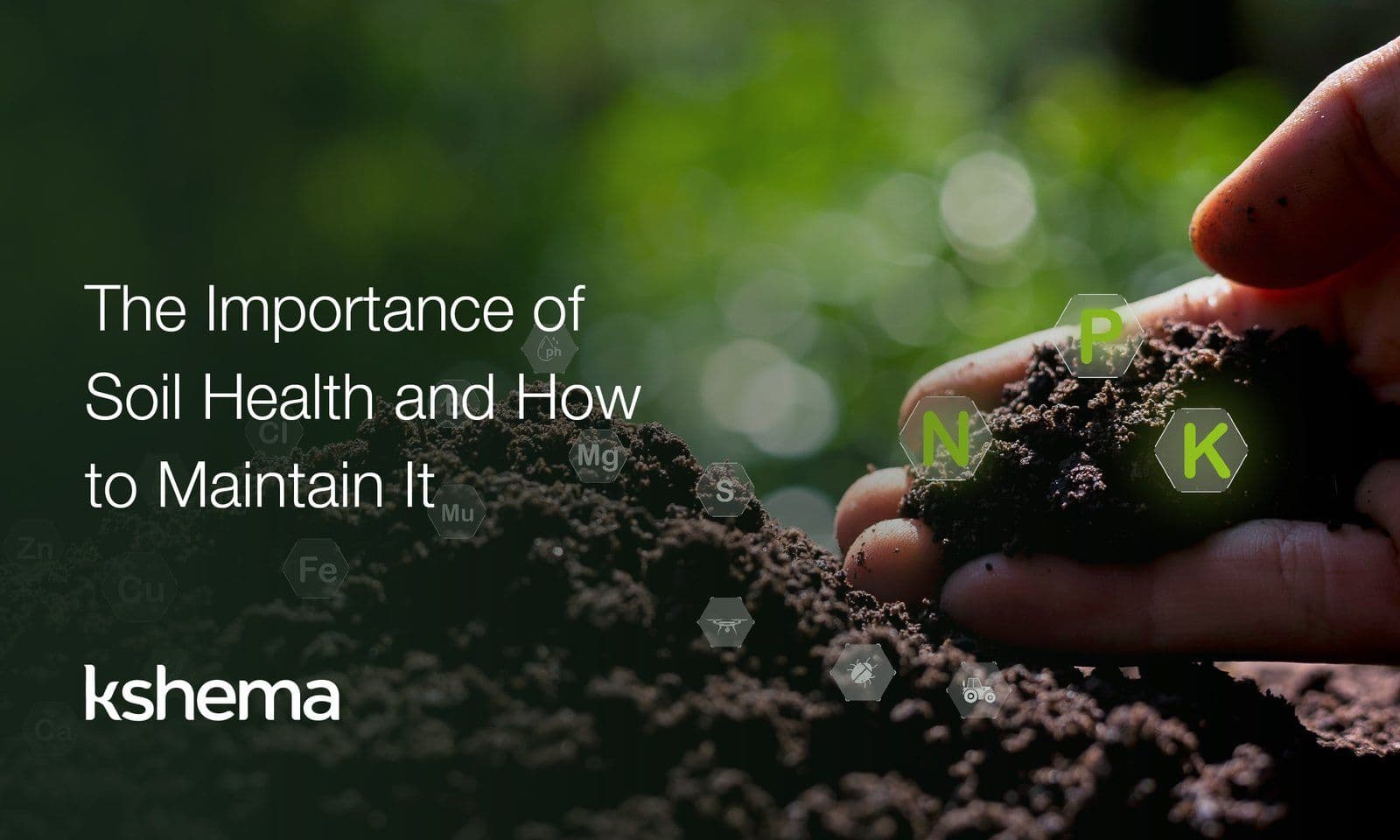
Soil health is one of the most important foundations of farming. Healthy soil improves crop growth, water retention, nutrient supply and overall farm productivity. Many farmers face declining yields because of poor soil structure, overuse of chemicals and erosion. This guide explains the importance of soil health in agriculture, the problems caused by unhealthy soil and simple practices farmers can follow to maintain soil quality for long-term sustainable farming.
Healthy soil improves crop yields, water retention, biodiversity and climate resilience. It also helps farmers reduce fertiliser costs and withstand droughts or heavy rain. Farmers can maintain soil health through crop rotation, adding organic matter, reducing tillage, proper irrigation, managing soil pH and regular soil testing for long‑term sustainable agriculture. In this blog, you will learn:
Soil is the foundation of agriculture. It provides nutrients, water and physical support for crops. When soil health is good, crops grow stronger, yields are more stable and farmers are better protected against weather changes. When soil is degraded, farmers face falling yields, higher input costs and greater risk from droughts, pests and diseases.
Understanding soil health helps farmers take better decisions about fertiliser use, irrigation, crop rotation and risk management.
Soil health refers to the soil’s ability to function as a living ecosystem that supports plants, animals and humans. Healthy soil has:
In simple terms, healthy soil grows strong crops with less stress, while unhealthy soil leads to weak plants and lower productivity.
Soil is the foundation of agriculture. It provides nutrients, water and physical support for crops. When soil health is good, crops grow stronger, yields are more stable and farmers are better protected against weather changes. When soil is degraded, farmers face falling yields, higher input costs and greater risk from droughts, pests and diseases.
Understanding soil health helps farmers take better decisions about fertiliser use, irrigation, crop rotation and risk management.
Soil health refers to the soil’s ability to function as a living ecosystem that supports plants, animals and humans. Healthy soil has:
In simple terms, healthy soil grows strong crops with less stress, while unhealthy soil leads to weak plants and lower productivity.
Here’s why maintaining soil health is critical for farmers and agriculture:
Healthy soil is the backbone of sustainable agriculture. It supports plant growth by providing essential nutrients, retaining moisture, and promoting root development. When soil health is compromised, crops become more vulnerable to diseases, pests, and environmental stress, resulting in reduced yields and a greater reliance on chemical fertilizers and pesticides.
Healthy soil acts as a sponge, absorbing and holding water, which is essential for plant growth. It also filters water, removing pollutants and preventing runoff that can lead to waterway contamination. In contrast, degraded soil with poor structure is more prone to erosion and nutrient leaching, which can degrade water quality and contribute to issues like algal blooms.
Soil is home to a vast array of organisms, ranging from bacteria and fungi to earthworms and insects. These organisms play a crucial role in breaking down organic matter, cycling nutrients, and maintaining soil structure. A diverse and balanced soil ecosystem is essential for maintaining soil health, and in turn, supports above-ground biodiversity, including crops and natural vegetation.
Healthy soil can capture and store carbon dioxide from the atmosphere, helping mitigate climate change. This process, known as carbon sequestration, is vital for reducing greenhouse gas levels and maintaining a stable climate. Degraded soils, however, can become a source of carbon emission and contribute to global warming.
The quality of the soil directly impacts the quality and quantity of the food we produce. With the global population expected to reach 10 billion by 2050, maintaining soil health is essential to ensure we can continue to produce enough food to feed everyone. Healthy soil benefits not only agriculture but also human life by ensuring nutritious food and clean water.
Healthy soil is the backbone of sustainable agriculture. It supports plant growth by providing essential nutrients, retaining moisture, and promoting root development. When soil health is compromised, crops become more vulnerable to diseases, pests, and environmental stress, resulting in reduced yields and a greater reliance on chemical fertilizers and pesticides.
Healthy soil acts as a sponge, absorbing and holding water, which is essential for plant growth. It also filters water, removing pollutants and preventing runoff that can lead to waterway contamination. In contrast, degraded soil with poor structure is more prone to erosion and nutrient leaching, which can degrade water quality and contribute to issues like algal blooms.
Soil is home to a vast array of organisms, ranging from bacteria and fungi to earthworms and insects. These organisms play a crucial role in breaking down organic matter, cycling nutrients, and maintaining soil structure. A diverse and balanced soil ecosystem is essential for maintaining soil health, and in turn, supports above-ground biodiversity, including crops and natural vegetation.
Healthy soil can capture and store carbon dioxide from the atmosphere, helping mitigate climate change. This process, known as carbon sequestration, is vital for reducing greenhouse gas levels and maintaining a stable climate. Degraded soils, however, can become a source of carbon emission and contribute to global warming.
The quality of the soil directly impacts the quality and quantity of the food we produce. With the global population expected to reach 10 billion by 2050, maintaining soil health is essential to ensure we can continue to produce enough food to feed everyone. Healthy soil benefits not only agriculture but also human life by ensuring nutritious food and clean water.
When soil health declines, farmers start noticing:
Degraded soil loses organic matter, becomes compacted and struggles to retain water and nutrients. This increases the risk of crop failure during droughts or heavy rain, and makes farming more expensive and less predictable.
Growing the same crop year after year depletes soil nutrients and increases the risk of pests and diseases. Crop rotation involves planting different crops in sequence to break pest and disease cycles, improve soil structure, and boost nutrient availability.
Cover crops, such as clover or rye, are planted during the off-season to protect and enrich the soil. They help prevent erosion, suppress weeds, and improve soil fertility by fixing nitrogen or adding organic matter when they decompose.
Tillage, or plowing, can disrupt soil structure, reduce organic matter, and lead to erosion. Reduced or no-till farming practices help preserve soil structure, enhance water infiltration, and promote the activity of beneficial soil organisms.
Compost, manure, and other organic materials are excellent sources of nutrients and organic matter for the soil. Regularly adding organic matter can help improve soil structure, water retention, and nutrient availability. It also provides food for the soil organisms that contribute to a healthy soil ecosystem.
Rather than relying solely on chemical pesticides, IPM involves a combination of biological, cultural, and mechanical methods to control pests. By reducing the use of chemicals, IPM helps maintain soil health by minimising the disruption of beneficial soil organisms and reducing the risk of chemical contamination. Read also: Sustainable Farming Practices Every Farmer Should Know
Soil pH affects the availability of nutrients to plants. Most crops grow well in slightly acidic to neutral pH (6.0-7.0). Regular soil testing and the application of lime or sulfur can help maintain the optimal pH for crop growth and nutrient availability.
Over-irrigation can cause waterlogging, soil compaction, and nutrient leaching, while under-irrigation can stress plants and lower yields. To avoid these issues, use efficient irrigation methods, such as drip or sprinkler systems, to deliver adequate moisture without overwatering.
Encouraging biodiversity in and around the fields can improve soil health. Diverse plant species enhance soil resilience by supporting various soil organisms and promoting nutrient cycling.
Growing the same crop year after year depletes soil nutrients and increases the risk of pests and diseases. Crop rotation involves planting different crops in sequence to break pest and disease cycles, improve soil structure, and boost nutrient availability.
Cover crops, such as clover or rye, are planted during the off-season to protect and enrich the soil. They help prevent erosion, suppress weeds, and improve soil fertility by fixing nitrogen or adding organic matter when they decompose.
Tillage, or plowing, can disrupt soil structure, reduce organic matter, and lead to erosion. Reduced or no-till farming practices help preserve soil structure, enhance water infiltration, and promote the activity of beneficial soil organisms.
Compost, manure, and other organic materials are excellent sources of nutrients and organic matter for the soil. Regularly adding organic matter can help improve soil structure, water retention, and nutrient availability. It also provides food for the soil organisms that contribute to a healthy soil ecosystem.
Rather than relying solely on chemical pesticides, IPM involves a combination of biological, cultural, and mechanical methods to control pests. By reducing the use of chemicals, IPM helps maintain soil health by minimising the disruption of beneficial soil organisms and reducing the risk of chemical contamination. Read also: Sustainable Farming Practices Every Farmer Should Know
Soil pH affects the availability of nutrients to plants. Most crops grow well in slightly acidic to neutral pH (6.0-7.0). Regular soil testing and the application of lime or sulfur can help maintain the optimal pH for crop growth and nutrient availability.
Over-irrigation can cause waterlogging, soil compaction, and nutrient leaching, while under-irrigation can stress plants and lower yields. To avoid these issues, use efficient irrigation methods, such as drip or sprinkler systems, to deliver adequate moisture without overwatering.
Encouraging biodiversity in and around the fields can improve soil health. Diverse plant species enhance soil resilience by supporting various soil organisms and promoting nutrient cycling.
While maintaining soil health is essential, it is also important to consider risk management strategies, such as crop insurance. Crop insurance offers financial protection against crop loss caused by factors beyond a farmer's control, such as extreme weather, pests, or diseases. Healthy soil contributes to more resilient crops; however, even the best-managed fields can encounter unexpected challenges. Crop insurance serves as a safety net, helping farmers recover and continue their operations even in adverse conditions.
Maintaining soil health is fundamental to sustainable agriculture, environmental protection and food security. By understanding soil health and applying practical practices like crop rotation, cover crops, reduced tillage, organic matter use and proper irrigation, farmers can keep their soil productive and resilient for future generations. Combining good soil management with crop insurance better protects both the land and farmer livelihoods from unforeseen risks. Healthy soil is the foundation of a healthy planet—and it is our shared responsibility to care for it.
Healthy soil supports strong crop growth, better yields and higher quality produce. It improves water retention, reduces erosion, supports biodiversity and helps farmers manage inputs more efficiently, contributing to long‑term farm sustainability.
Farmers can improve soil health by practising crop rotation, using cover crops, adding compost or manure, reducing tillage, managing soil pH through testing and lime or sulphur application, and using efficient irrigation methods. These steps increase organic matter, improve structure and support beneficial soil life.
Healthy soil improves yields, strengthens roots, increases water‑holding capacity, reduces erosion, supports biodiversity and stores more carbon. It also helps farmers cut fertiliser costs and makes crops more resilient to droughts and heavy rain.
Healthy soil supports strong crop growth, better yields and higher quality produce. It improves water retention, reduces erosion, supports biodiversity and helps farmers manage inputs more efficiently, contributing to long‑term farm sustainability.
Farmers can improve soil health by practising crop rotation, using cover crops, adding compost or manure, reducing tillage, managing soil pH through testing and lime or sulphur application, and using efficient irrigation methods. These steps increase organic matter, improve structure and support beneficial soil life.
Healthy soil improves yields, strengthens roots, increases water‑holding capacity, reduces erosion, supports biodiversity and stores more carbon. It also helps farmers cut fertiliser costs and makes crops more resilient to droughts and heavy rain.
“We do not assume any liability for any actions undertaken based on the information provided here. The information gathered from various sources and are displayed here for general guidance and does not constitute any professional advice or warranty of any kind.”


IntroductionIf you own a vehicle, understanding third-party car insurance is essential. It is the most basic form of motor insurance and is required by law for all vehicles driven on Indian roads.What This Blog Covers • What third-party insurance means and how it works. • Why it is considered mandatory car insurance in India. • The benefits, coverage, and limitations of this policy. • The consequences of ignoring the car insurance legal requirement.This guide provides a clear overview of the leg
 · 9 min read
Meri Fasal Mera Byora is a Haryana government initiative to benefit the farmers of the state. It is an important platform for crop registration and provides access to various government agriculture-related benefits. As the Kharif 2026 season is in progress, completing registration correctly can help farmers avoid delays in receiving support and scheme benefits by understanding benefits of insurance to farmers.What This Guide CoversWho should register for kharif 2026Documents and details required
· 9 min read
IntroductionCrop Loss in Karnataka remains a critical challenge for farmers, especially during the kharif season when weather uncertainties are at their peak. Understanding the causes and taking preventive measures can significantly reduce risks and improve yields by understanding proven ways to protect crops.In this blog, you’ll learn:Major causes behind crop damage in KarnatakaKey Karnataka kharif crop risks farmers should watch out forPractical strategies to minimise losses and protect cropsP
· 7 min read
IntroductionThe Rythu Bharosa scheme in Telangana continues to play a crucial role in supporting farmers during Kharif 2026. This is the Telangana government’s flagship farmer investment support scheme for seeds, fertilisers, and labour. By providing timely financial assistance, it helps reduce input costs and stabilise agricultural income and improve financial security through benefits of insurance to farmers.What this blog coversKey advantages of the scheme in Kharif 2026How Rythu Bharosa supp
· 8 min read
IntroductionThis is our Maharashtra Kharif crops guide that can help the farmers of Maharashtra plan the upcoming monsoon season effectively. With the right crop choices, sowing time, and risk protection strategies, farmers can maximise yield and reduce uncertainty with the help of https://kshema.co/plans/What this blog covers:Best crops suited for the Kharif season in MaharashtraIdeal sowing dates to ensure higher productivityRegion-wise considerations for crop planningPractical insurance tips
· 7 min read
If your PM Kisan payment has not been credited in 2026, it can be both confusing and frustrating. Many farmers across India face delays due to technical or verification issues, but most problems can be resolved with the right steps.In this blog, you will learn:Why your instalment may be delayed or missingHow to complete a quick PM Kisan status checkWays to fix errors and receive future paymentsWhere to seek help if the issue persistsUnderstanding the PM-Kisan Samman Nidhi Scheme in 2026The PM-Ki
· 7 min read