
Stay Updated with Our Latest Blogs
Subscribe to our blog and get the latest insurance tips, guides, and industry updates delivered to your inbox
Subscribe to our blog and get the latest insurance tips, guides, and industry updates delivered to your inbox
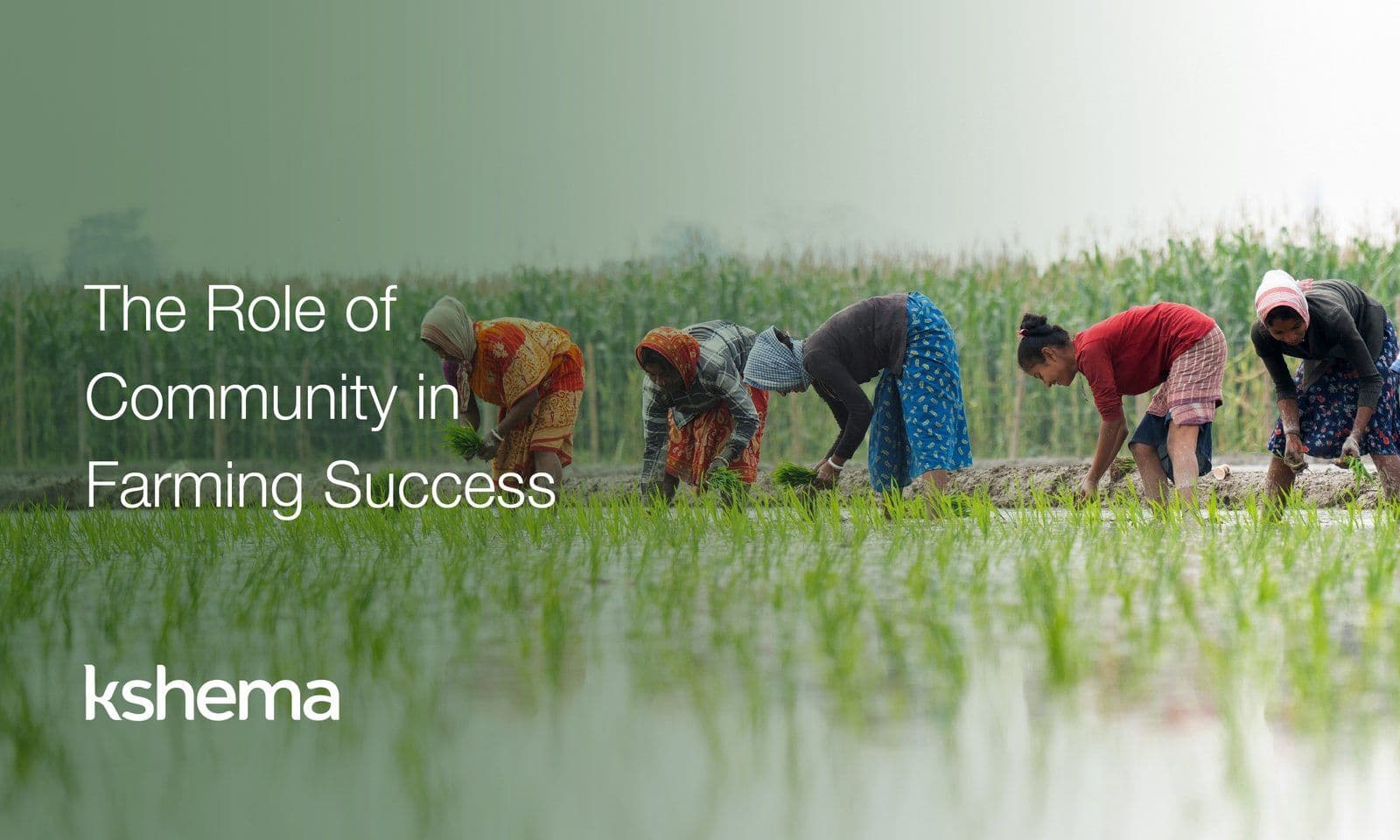
Farmers rarely succeed alone. Markets, weather, pests, and input costs change fast—and the difference between a good and a great season often comes down to one factor: strong farming communities. Whether it’s a village-level FPO, a WhatsApp group of growers, or a cooperative that negotiates better prices, communities reduce risk, share knowledge, and unlock better income for Indian farmers.
This article explains how farming communities drive real outcomes—higher yields, fair prices, faster recovery after loss—and how you can plug into the right networks.
Key takeaway: Strong farming communities improve yields, reduce costs, and increase price realization through collective bargaining, shared learning, and risk pooling.
Direct answer: Join or form an FPO/co-op, pool inputs and market produce together, standardize quality, and set up community risk tools (weather alerts, savings groups, insurance literacy) for resilient income.
Fast wins: Start a 50–100 member WhatsApp group by crop/mandi; bulk-buy seeds/fertilizer; adopt shared agronomy calendars; digitize records; coordinate transport and storage to avoid distress sales.
Small and marginal farmers face volatile prices, fragmented markets, climate shocks, and rising input costs. Farming communities—FPOs, cooperatives, SHGs, and digital networks—help farmers lower per-acre costs, improve quality, access better buyers, and manage risk collectively. In India, community-led approaches have consistently delivered higher net incomes and faster recovery after adverse events.
Typically 300–1,500 members. Focus on input procurement, aggregation, primary processing, and market linkage. Many access government schemes and credit. Strong governance and transparent pricing are critical.
Member-owned entities with longer histories (e.g., dairy). Effective where quality standards and brand reputation drive premiums. Success depends on efficient management and fair profit-sharing.
Smaller, trust-based circles that enable savings, microcredit, and input planning. Useful for women farmers and tenant cultivators who need flexible finance.
WhatsApp/Telegram groups, KVK/Agri app forums, and e-mandis. Fastest way to share advisories, negotiate group deals, and connect with buyers—provided admins enforce rules and quality control.
Typically 300–1,500 members. Focus on input procurement, aggregation, primary processing, and market linkage. Many access government schemes and credit. Strong governance and transparent pricing are critical.
Member-owned entities with longer histories (e.g., dairy). Effective where quality standards and brand reputation drive premiums. Success depends on efficient management and fair profit-sharing.
Smaller, trust-based circles that enable savings, microcredit, and input planning. Useful for women farmers and tenant cultivators who need flexible finance.
WhatsApp/Telegram groups, KVK/Agri app forums, and e-mandis. Fastest way to share advisories, negotiate group deals, and connect with buyers—provided admins enforce rules and quality control.
Farmers buy inputs retail and rely on hearsay. Result: uneven quality, higher costs, and unpredictable yields.
Individual farmers sell small lots during peak arrivals; prices crash.
Erratic rain, heat, and pest outbreaks cause sudden yield loss.
Farmers buy inputs retail and rely on hearsay. Result: uneven quality, higher costs, and unpredictable yields.
Individual farmers sell small lots during peak arrivals; prices crash.
Erratic rain, heat, and pest outbreaks cause sudden yield loss.
A 120-farmer group standardizes grading for tomatoes and capsicum, negotiates with two city supermarkets, and reduces transport costs by sharing 14-ton trucks—net gain 7–12% per kg.
Custom Hiring Centres (CHCs) share laser levellers and happy seeders, cutting fuel and labour costs while improving soil health and yield stability.
Mango and chilli FPOs use digital lot tracking and sulphur treatment SOPs to reduce rejections and access export buyers.
SHGs coordinate drought-resilient varieties, mulching, and micro-irrigation, combining savings with seasonal insurance awareness for shock absorption.
A 120-farmer group standardizes grading for tomatoes and capsicum, negotiates with two city supermarkets, and reduces transport costs by sharing 14-ton trucks—net gain 7–12% per kg.
Custom Hiring Centres (CHCs) share laser levellers and happy seeders, cutting fuel and labour costs while improving soil health and yield stability.
Mango and chilli FPOs use digital lot tracking and sulphur treatment SOPs to reduce rejections and access export buyers.
SHGs coordinate drought-resilient varieties, mulching, and micro-irrigation, combining savings with seasonal insurance awareness for shock absorption.
Collective production planning, storage, and market linkages reduce post-harvest loss, stabilize supply, and improve household nutrition. Globally, non-profit efforts (e.g., food banks) spotlight farmers’ role in reducing hunger; in India, farmer communities achieve this by minimizing waste, boosting productivity, and keeping prices fair through direct market connections.
Collective production planning, storage, and market linkages reduce post-harvest loss, stabilize supply, and improve household nutrition. Globally, non-profit efforts (e.g., food banks) spotlight farmers’ role in reducing hunger; in India, farmer communities achieve this by minimizing waste, boosting productivity, and keeping prices fair through direct market connections.
Worldwide, intentional communities—from cooperative dairies to well-known settlements founded in the 1970s—show how shared resources and governance can sustain livelihoods. While models differ from Indian FPOs, the core lesson is the same: collective action improves resilience and outcomes.
Worldwide, intentional communities—from cooperative dairies to well-known settlements founded in the 1970s—show how shared resources and governance can sustain livelihoods. While models differ from Indian FPOs, the core lesson is the same: collective action improves resilience and outcomes.
Explore different crop insurance policies to protect your farm against unexpected risks.
Explore different crop insurance policies to protect your farm against unexpected risks.
Also Read:Read more about Kshema insurance rollout
Farming communities turn individual effort into collective strength—lower input costs, better market prices, faster knowledge flow, and smoother risk management. Start with a focused group, clear rules, and one or two high-impact initiatives like bulk inputs and aggregated sales. Over time, add quality SOPs, digital records, and a simple risk-and-claims playbook. Together, farmers can build more resilient incomes and stronger local food systems.
With the support of providers like Kshema General Insurance, farmers can build more resilient incomes and stronger local food systems.
It’s a group of farmers organized to share knowledge, pool inputs, aggregate produce, and manage risks together. Strong farming communities lower costs, improve prices, and increase resilience.
By improving productivity, reducing post-harvest losses, coordinating storage and transport, and connecting directly with markets and local nutrition programs, communities increase food availability and affordability.
Yes, for governance and cooperation lessons. While contexts differ, the principle holds: collective decision-making and shared resources improve outcomes for farmers.
Form a crop-specific group, bulk-buy vetted inputs, adopt grading SOPs, aggregate for at least one bulk buyer, and run a simple risk protocol for weather and claims documentation.
Assign a claims coordinator, use geo-tagged photos and plot IDs, intimate within timelines, keep a shared checklist, and maintain digitized records for faster assessment.
It’s a group of farmers organized to share knowledge, pool inputs, aggregate produce, and manage risks together. Strong farming communities lower costs, improve prices, and increase resilience.
By improving productivity, reducing post-harvest losses, coordinating storage and transport, and connecting directly with markets and local nutrition programs, communities increase food availability and affordability.
Yes, for governance and cooperation lessons. While contexts differ, the principle holds: collective decision-making and shared resources improve outcomes for farmers.
Form a crop-specific group, bulk-buy vetted inputs, adopt grading SOPs, aggregate for at least one bulk buyer, and run a simple risk protocol for weather and claims documentation.
Assign a claims coordinator, use geo-tagged photos and plot IDs, intimate within timelines, keep a shared checklist, and maintain digitized records for faster assessment.
“We do not assume any liability for any actions undertaken based on the information provided here. The information gathered from various sources and are displayed here for general guidance and does not constitute any professional advice or warranty of any kind.”
Crop Insurance