Expert advice, tips, and guides to help you make informed decisions about insurance coverage
Subscribe to our blog and get the latest insurance tips, guides, and industry updates delivered to your inbox
Showing 82 articles
Farmers in Telangana can check their crop loan status online through official government and banking portals. By using details such as Farmer ID, Aadhaar number, or loan account number, farmers can easily track the current status of their crop loan. This guide explains how to check crop loan status in Telangana step by step.This simple guide explains how to check crop loan status in Telangana, the documents you need, common problems you may face and how knowing your loan status early can help yo
 · 9 min read
Farmers face unpredictable weather, rising costs and uncertain markets. A single flood, drought or pest attack can end an entire season’s effort. This is where insurance becomes essential. The benefits of insurance to farmers go beyond compensation—they provide stability, confidence and long‑term security. Insurance helps protect crops, livestock, machinery and income, allowing farmers to continue their operations even after major losses. In this guide, we explain the key benefits of insurance t
· 8 min read
Crop losses can wipe out an entire season’s income. A well-structured agricultural insurance policy protects farmers against such shocks. This guide explains Comprehensive Crop Insurance in India—what it covers, how it works today and how the original Comprehensive Crop Insurance Scheme (CCIS) introduced in 1985 laid the foundation for present-day programs. If you’re comparing benefits, exclusions, premiums, or claim triggers, you’ll find clear, India-specific answers here.Crop insurance is one
· 9 min read
Crop insurance is a practical safety net for India’s farmers, reducing income volatility from weather shocks, pests and market disruptions. By shifting part of production risk to an insurer, crop insurance supports timely recovery, keeps credit cycles stable, and encourages investment in better inputs and practices. For smallholders and larger farms alike, understanding scheme features and enrolment options is the first step to building resilient agriculture.Understanding the advantages ofcrop i
· 8 min read
Small-scale farmers are the backbone of India’s agriculture sector, yet they face rising challenges such as unpredictable weather, increasing input costs and limited access to markets. In this situation, adopting a farming system and sustainable agriculture approach becomes essential. This approach views the farm as an interconnected ecosystem that links crops, livestock, soil, water and human effort. By adopting sustainable farming practices and integrated farming systems, smallholders can impr
· 7 min read
Introduction:Climate change is intensifying extreme temperatures across India, and the effects of heat waves are now impacting Rabi crops more severely. Wheat, mustard, gram (chickpea) and barley all suffer when temperatures rise suddenly, especially during flowering and grain filling. Farmers face shrinking grain size, rapid crop maturity, higher irrigation needs and lower market returns.Many also report faster soil moisture loss and reduced grain quality. This blog explains the major Rabi crop
· 8 min read
For farmers in India, a crop insurance claim is more than a formality—it is essential protection against unpredictable weather, pest attacks and natural disasters. A correctly filing claims helps farmers recover losses quickly, but even small errors can lead to denial or reduced compensation. Missed reporting deadlines, incorrect documents and unverified enrolment are some of the most common PMFBY claim mistakes.This blog explains the top five crop insurance claim errors farmers should avoid and
· 7 min read
The rabi season is the shorter of the two main crop seasons in India but by no measure it is any less important than the longer kharif season. The primary crops for this crop cycle are wheat, barley, mustard, and peas etc, providing not only food security to the country but also financial stability to millions of farmers. However, the shorter duration of the rabi season does not mean factors like unpredictable weather patterns, pest attacks, and other risks do not impact it, hence, safeguarding
· 8 min read
Is Fasal Bima Yojana India’s largest crop insurance scheme?Farmers today search for one clear answer: Is Pradhan Mantri Fasal Bima Yojana (PMFBY) India’s largest crop insurance scheme? With rising weather risks, pest attacks and sudden crop loss events, understanding PMFBY’s coverage, benefits and claim process has become essential. This guide explains PMFBY benefits, premium rates, coverage percentages, why it is considered India’s biggest crop insurance scheme and how farmers can easily enrol
· 10 min read
Farmers across India depend heavily on Rabi crops like wheat, mustard and gram. But frost, hailstorms and sudden rain can destroy an entire season’s harvest within hours. The Pradhan Mantri Fasal Bima Yojana (PMFBY) provides farmers with affordable and comprehensive crop insurance to protect against such losses. This guide explains how PMFBY supports Rabi farmers, what losses are covered, which crops are eligible, and how farmers can apply easily. With climate risks rising every year, PMFBY has
· 7 min read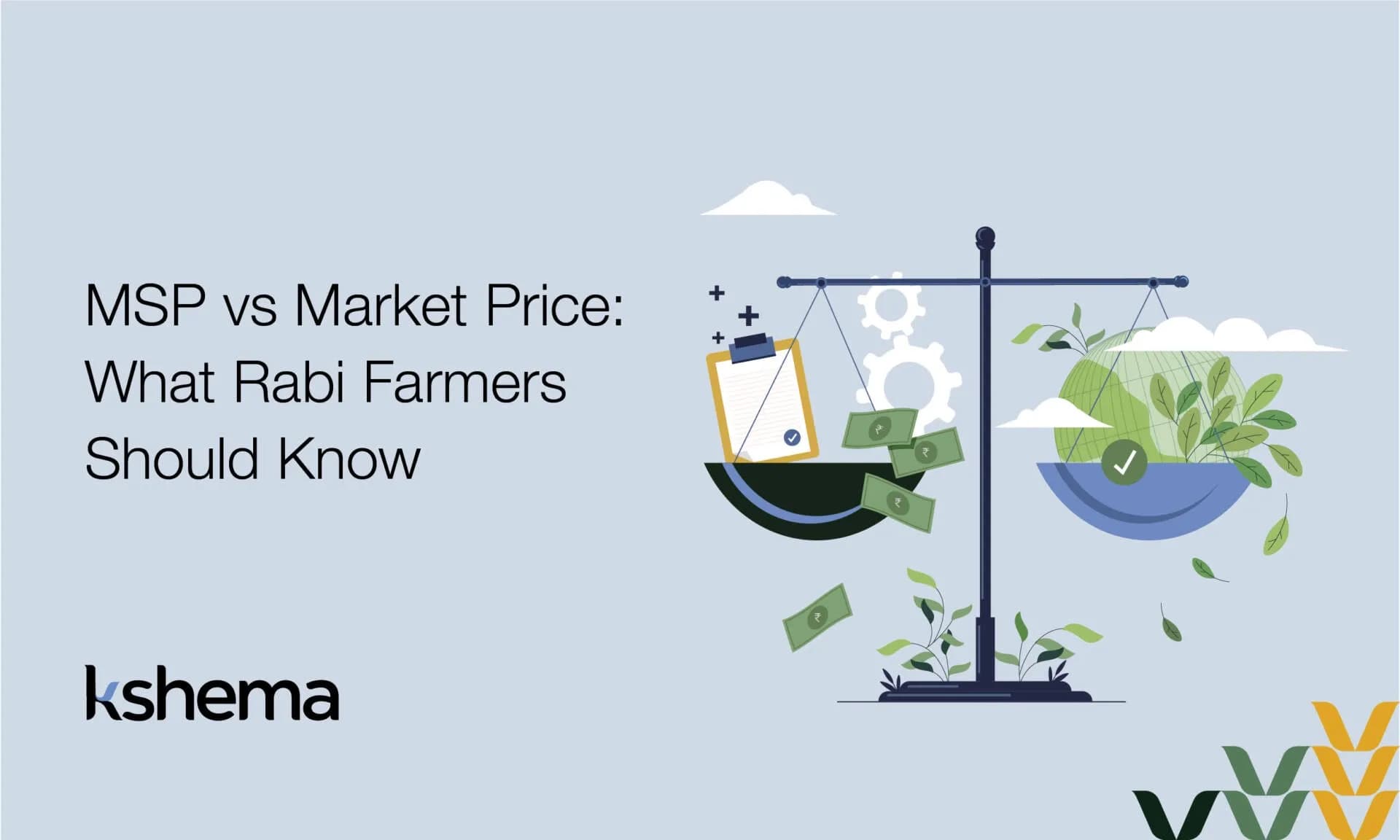
Key Takeaways: Rabi MSP vs Market PriceMSP (Minimum Support Price) is a government-fixed rate ensuring farmers earn a minimum return.Market Price fluctuates based on demand, supply, and local conditions.MSP provides stability and risk protection; market price offers profit opportunities but with volatility.Check official MSP rates for Rabi crops on https://pib.gov.inPress Information Bureau.IntroductionRabi MSP (Minimum Support Price) is the government-fixed rate for crops like wheat, barley, an
· 10 min read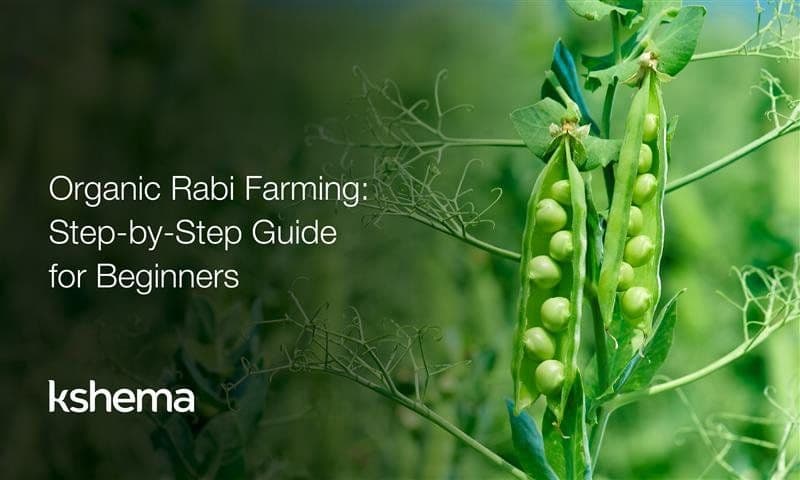
Introduction:Organic Rabi farming is becoming essential for farmers looking to reduce input costs, improve soil health and grow chemical free crops during the winter season. As temperatures drop and rainfall becomes scarce, Rabi crops need careful soil preparation, organic inputs and efficient smart irrigation. This guide explains the key practices, suitable crops, major risks and income protection options that help farmers succeed with organic Rabi farming in 2026.Understanding Organic Rabi Far
· 9 min read