
Crop insurance in India covers crop losses caused by natural disasters, pests, diseases, drought, flood and hailstorms. It protects farmers’ income for both Kharif and Rabi seasons under schemes like PMFBY.Key Takeaways• Covers natural calamities and pest damage• Protects Kharif and Rabi crops• Ensures farmer income stabilityIntroduction:Crop insurance coverage protects farmers when crops fail due to natural disasters, pests, diseases or animal attacks. For many Indian farmers, a single crop los
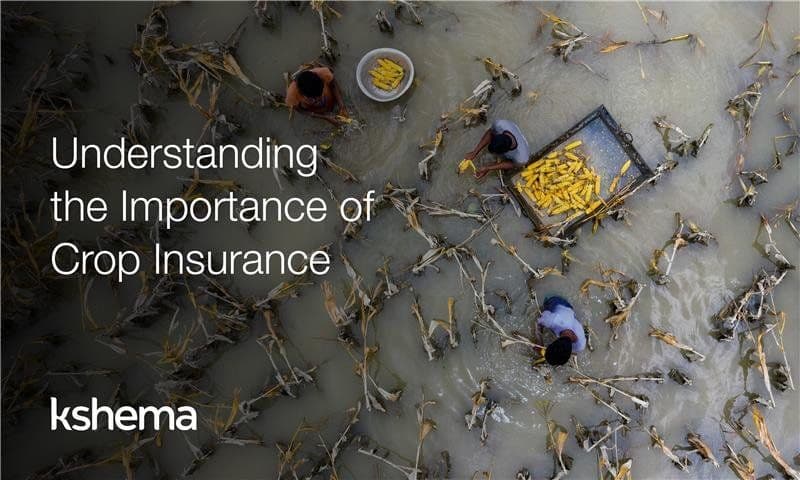
Farming is increasingly exposed to weather extremes, pests, market swings and rising input costs. The importance of crop insurance is that it converts these unpredictable risks into manageable financial outcomes — protecting farmers’ incomes, securing credit flows and stabilizing food supply. This article explains how crop insurance works, the concrete advantages for farmers and communities, and practical steps to choose the right cover in India.Why the Importance of Crop Insurance Cannot Be Ove
Crop insurance in India protects farmers from losses caused by weather, pests, diseases and other uncertainties. For small and marginal farmers, even a single crop failure can create heavy financial stress. Crop insurance ensures stability, helps recover from losses and supports long‑term farming. In this blog, you will learn:Crop insurance meaningWhy small farmers need itMajor benefitsHow claims workGovernment + private schemesHow Kshema supports farmerAgriculture is India’s major economic acti

Wild animals damaging crops can wipe out months of hard work overnight. If you’re looking for practical, humane, and India-ready ways to protect crops from wild animals, this guide gives you exactly that—clear steps, field-tested examples, and low-cost options you can start today.Quick answer:Combine barriers (nets/fences), all‑natural repellents, motion lights/alarms, field hygiene, and community patrols. Rotate methods every 2–3 weeks to prevent animal habituation. For monkeys: netting + cover

How Crop Insurance for Small Farmers Safeguards Livelihoods in IndiaCrop insurance for small farmers has become essential as weather changes, pest attacks and rising input costs make farming unpredictable. Small and marginal farmers are most affected because even a single crop loss can disturb their entire income. This guide explains why crop insurance is important for small farmers, how it protects livelihoods and what benefits farmers receive when their crops are insured.This blog explores how
Agricultural subsidies in India play a crucial role in helping farmers reduce input costs, improve productivity and protect crops against unpredictable risks. These subsidies include support for fertilisers, seeds, irrigation, electricity and crop insurance—ensuring that farmers can continue farming sustainably and affordably.Also, Read: Check best Rabi crops for 2026This updated 2026 farmer guide explains the key agricultural subsidies in India, major government schemes, benefits for farmers, a
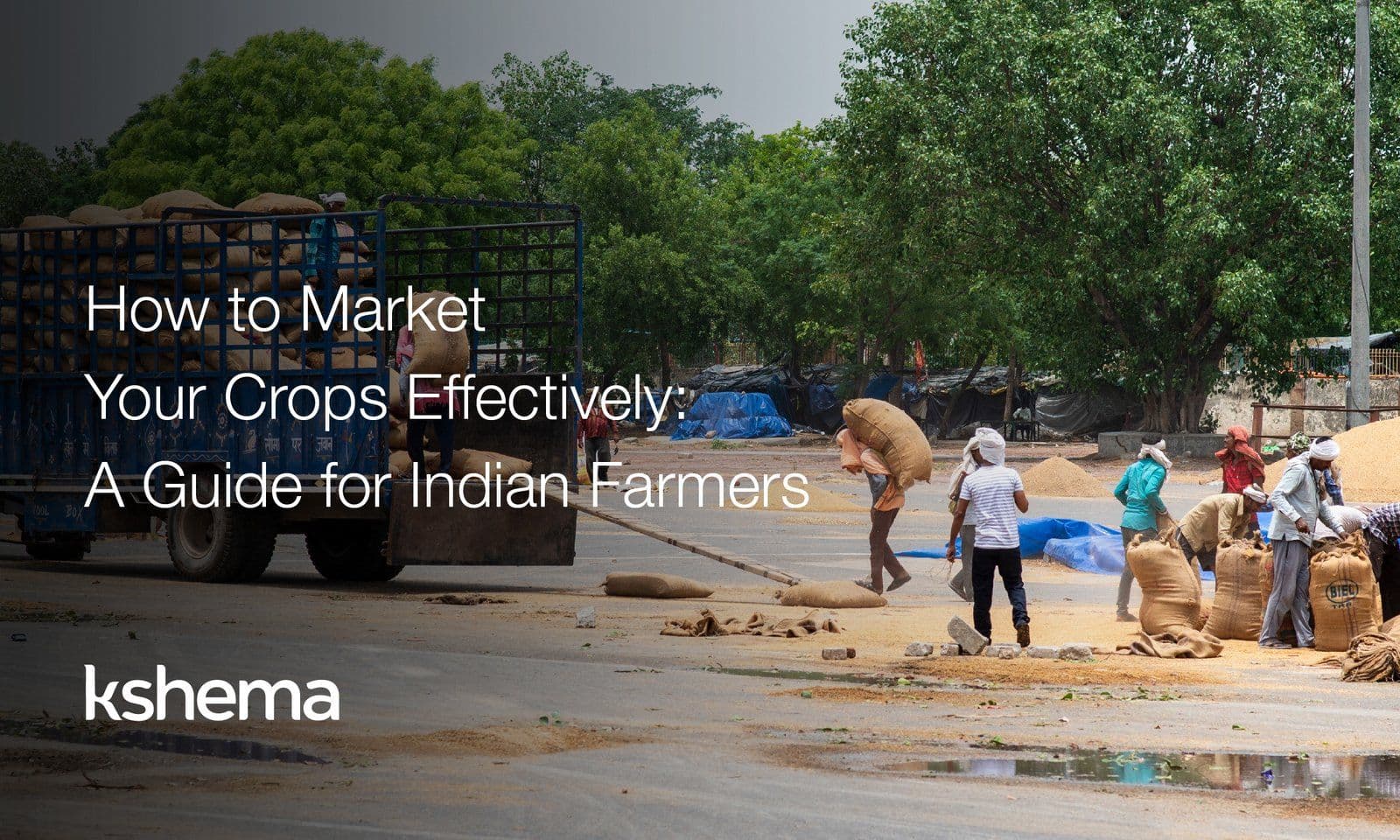
How to Market Crops for Better Profits and Rural GrowthSummary: Indian farmers can market crops effectively by understanding market trends, diversifying sales channels, using digital tools, and leveraging crop insurance to protect profits and ensure rural growthFarming is not just about growing crops. It is also about getting the best returns from what you produce. Indian farmers, small and large, face several challenges in market crops — ranging from fluctuating prices, market access, supply-ch

Future of Farming in India: 7 Smart Trends Every Farmer Should Know by 2026The future of farming in India is shaped by precision agriculture, AI-driven crop monitoring, climate-resilient practices, and digital platforms that empower farmers with real-time insights. Technologies like drones, IoT sensors, and satellite data are improving yield prediction and resource efficiency. Government-backed initiatives such as Digital Agriculture Mission are accelerating this transformation by promoting smar
In an unpredictable world where natural disasters can severely impact agricultural productivity, crop insurance serves as a crucial lifeline for farmers. It’s designed to provide financial protection against crop loss or damage due to natural perils like drought, floods, and other unforeseen events. But with various crop insurance options available, choosing the best policy requires careful consideration. This guide will walk you through the essential factors to consider when selecting the right
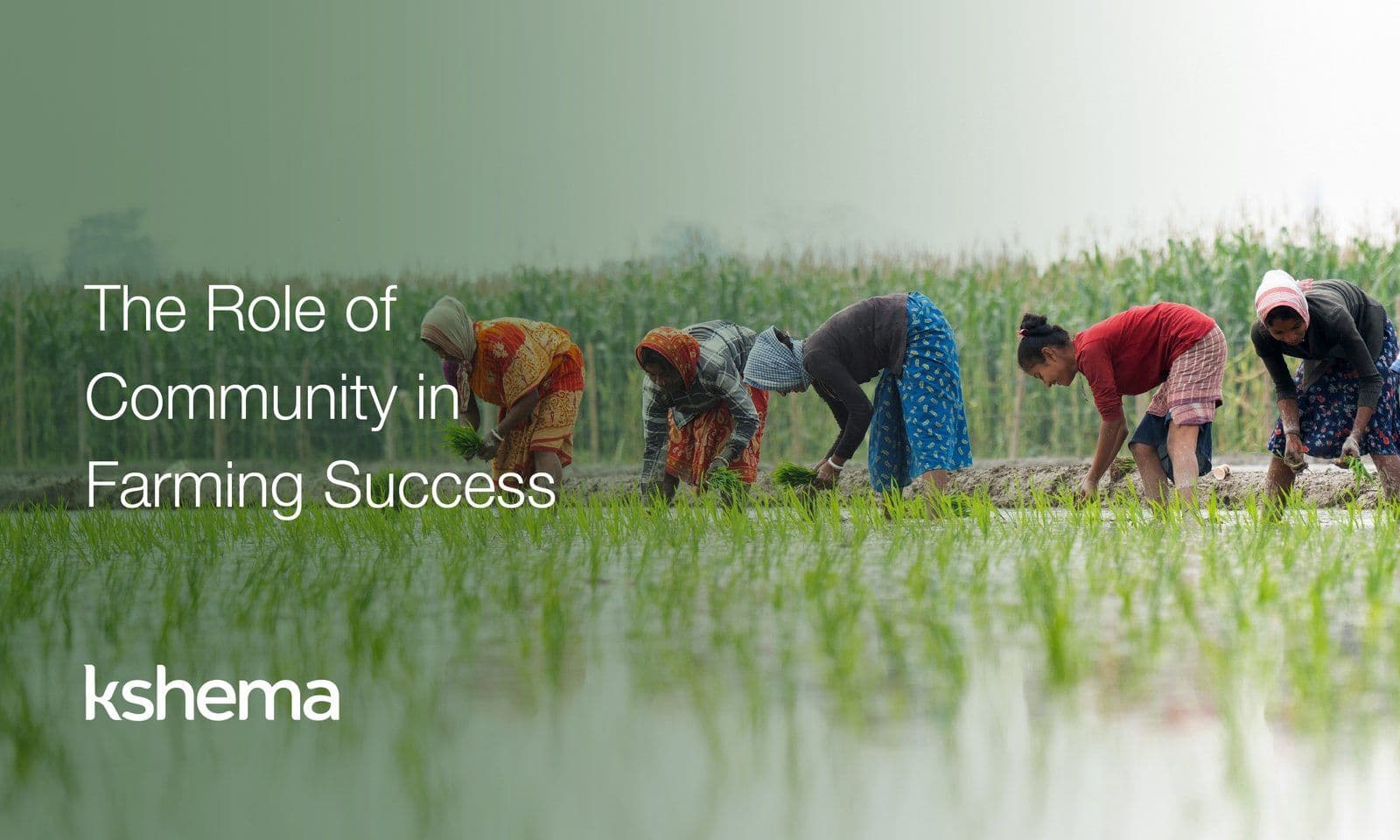
Farmers rarely succeed alone. Markets, weather, pests, and input costs change fast—and the difference between a good and a great season often comes down to one factor: strong farming communities. Whether it’s a village-level FPO, a WhatsApp group of growers, or a cooperative that negotiates better prices, communities reduce risk, share knowledge, and unlock better income for Indian farmers.This article explains how farming communities drive real outcomes—higher yields, fair prices, faster recove

Climate change is reshaping the global landscape, and agriculture is one of the most affected sectors. The relationship between climate change and agriculture is dynamic, with far-reaching implications for food security, livelihoods, and environmental sustainability. Farmers worldwide are grappling with unpredictable weather patterns, increased frequency of extreme weather events, and the shifting availability of water and nutrients.As we continue to experience these changes, understanding the i

Quick Answer:Weather forecasting in farming helps farmers plan sowing, irrigation, fertilizer use, and harvesting. Accurate forecasts reduce crop losses from extreme weather, improve water and input efficiency, and increase overall farming productivity.Weather Forecast in Farming: Importance, Uses & Benefits for FarmersWeather forecasting is one of the most important tools for modern farming. Accurate forecasts help farmers decide the right time for sowing, irrigation, fertiliser application and