
Peril-Based Crop Insurance in India: Smart Protection for Your Rabi CropsIntroductionFarmers face multiple risks during the Rabi season, from droughts to pest attacks. Peril-based crop insurance offers targeted protection against these threats, ensuring financial stability. This article explains how peril-based policies work, their benefits, and why they are crucial for Indian farmers.Traditional crop insurance schemes offer broad protection, but many farmers are now leaning towards peril-based
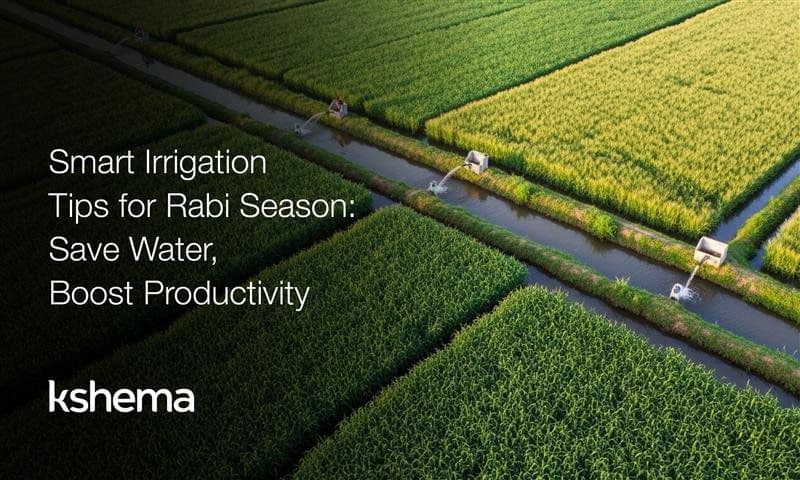
Why Smart Irrigation Matters in Rabi SeasonSmart irrigation is the practice of applying the right amount of water at the right time using crop needs, soil moisture, and weather conditions. For Indian farmers growing Rabi crops such as wheat, mustard, chickpeas, and lentils, smart irrigation plays a critical role in saving groundwater, reducing irrigation costs, and improving yield stability.Unlike traditional flood irrigation, smart irrigation methods like drip systems, sprinklers, soil moisture
Best Rabi Crops to Grow for Maximum Profit in 2026Rabi crops in India are sown after the monsoon (October–December) and harvested in spring (March–April). They prefer cooler, drier weather and usually rely on irrigation. Typical Rabi crops include wheat, mustard, gram (chickpeas), barley and peas; choices vary by region, soil moisture and winter temperature.IntroductionPlanning for Rabi season 2026? Choosing the right crops can boost yield and profits significantly. Rabi crops like wheat, mustar
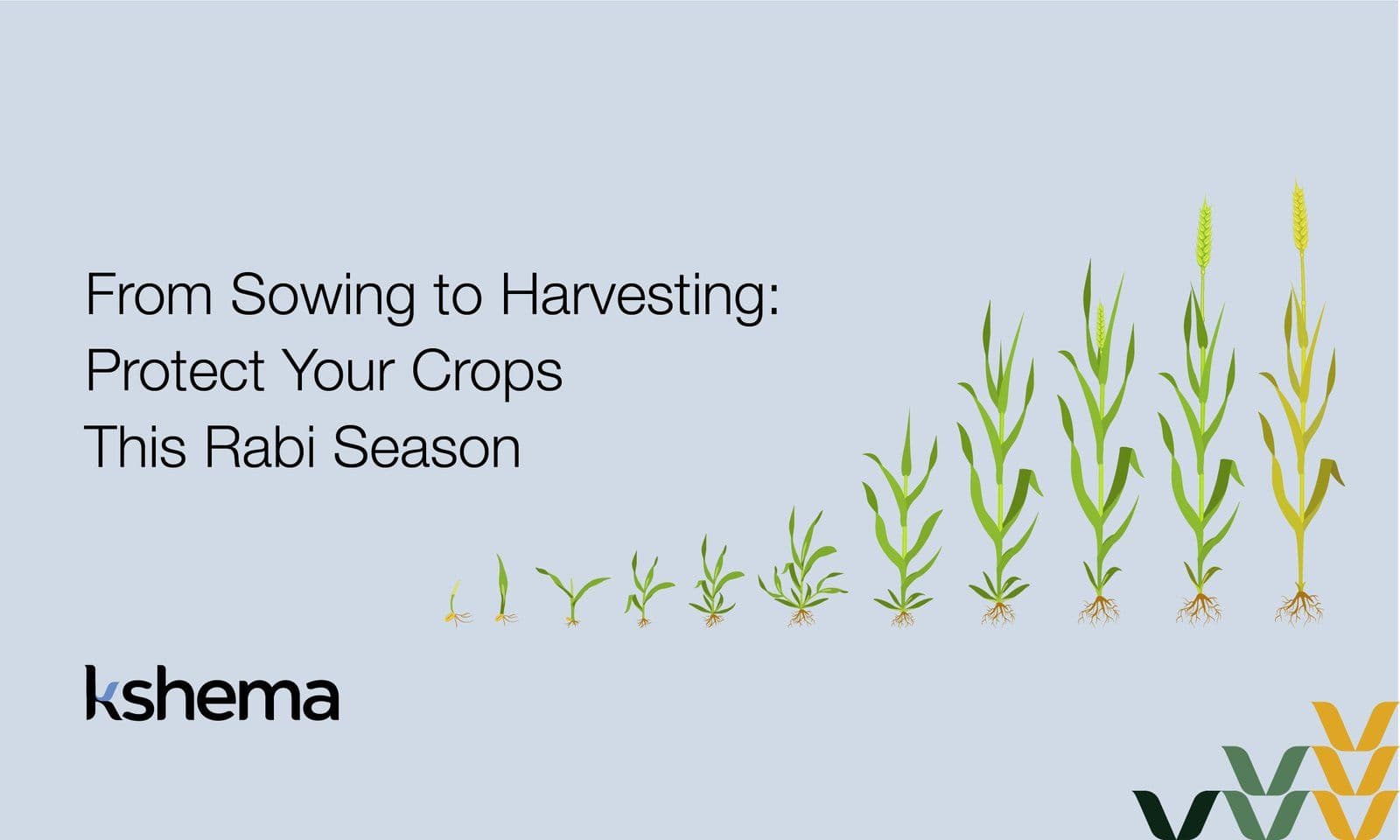
Rabi Season in India: Crops, Timeline, and Insurance BenefitsThe Rabi season is India’s winter cropping cycle that starts after the monsoon retreats. Farmers begin sowing from October to November and harvest crops like wheat, mustard, barley, peas and gram between February and April. While Rabi is considered more stable than Kharif, sudden cold waves, frost and hail can still cause major losses. This blog explains the Rabi season, its crops, timeline, risks and the insurance benefits that help f
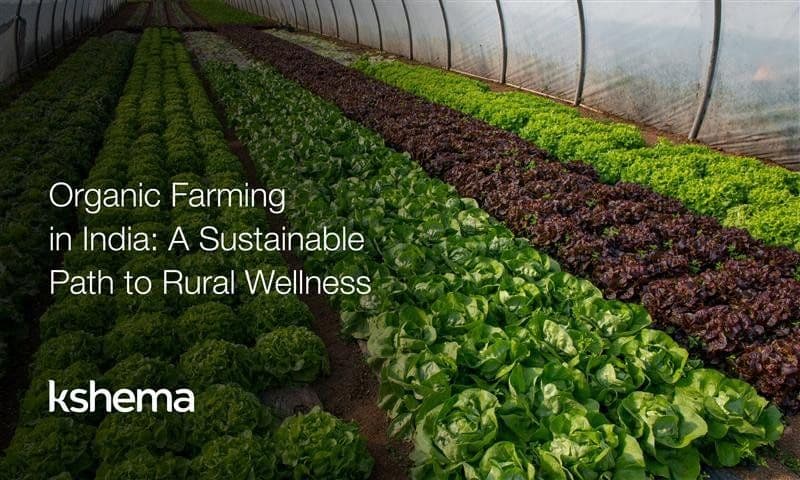
What Is Organic FarmingOrganic farming in India is gaining momentum as farmers, consumers, and policymakers prioritize soil health, biodiversity, and chemical-free food. This guide explains practical methods, benefits, market opportunities, and government schemes that make the transition to sustainable organic agriculture achievable for smallholders and commercial growers alike.Organic farming in India has emerged as more than just a trend. It is a transformative movement reshaping the agricultu

PMFBY (Pradhan Mantri Fasal Bima Yojana) is India’s government-backed crop insurance scheme designed to protect farmers against crop loss due to natural risks such as drought, flood, and hailstorm.This guide explains PMFBY crop insurance for 2026, including premium rates, crops covered, eligibility, and the claim process. It also covers how farmers can check PMFBY status, last application dates, and where beneficiary or village-wise information is published (state-wise).Key Takeaways PMFBY is In
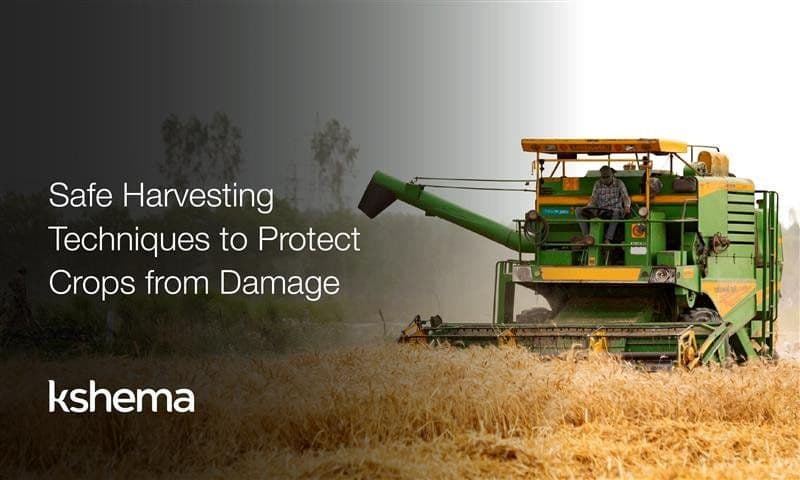
Harvest safety: quick checklistWeather window: harvest early if hail/frost alerts; postpone during active stormsEquipment: guards/shields fitted; brakes/ROPS checked; lights/reflectors & SMV signs on roadsWorkers: trained; PPE ready (high‑visibility clothing, gloves, eye & hearing protection)Handling: cut at correct maturity; avoid dropping/piling; use lined baskets or soft cratesPost‑harvest: clean threshing; prompt drying; aerated storage to minimise fungal growthHarvesting Techniques: Safe Me
Kharif crop Yield estimation helps farmers understand crop performance and income potential.The Kharif season, which begins with the arrival of the monsoon, offers farmers the chance to earn well — but it also brings risks. With smart planning, you can make this season profitable. The key is to estimate your Kharif crop yield and monitor costs to understand whether your chosen crop will deliver a good return as the season progresses. This can help you take timely steps to improve outcomes. Here’
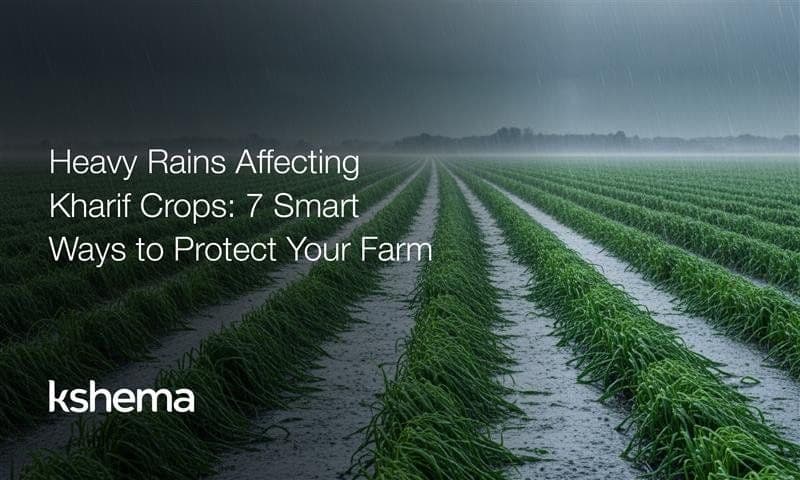
How Heavy Rains Impact Kharif Crops and Ways Farmers Can Prevent LossHeavy rains affecting Kharif crops have become a significant challenge for farmers across India. While monsoon rains are essential for a successful harvest, excessive and prolonged rainfall can lead to waterlogging, pest outbreaks, fungal diseases, and substantial yield losses in key Kharif crops such as paddy, maize, soybean, cotton, and pulses.In the face of increasingly erratic weather patterns driven by climate change, it i

Paddy Cultivation in India: Process, Seasons, and Insurance TipsPaddy cultivation plays a pivotal role in India’s agriculture. It is the main crop of the Kharif season, which is essential to guarantee India’s food security. With nearly 50% of India’s population dependent on agriculture, mastering the best practices for paddy cultivation has never been more crucial. From choosing the right variety to climate adaptation strategies and securing crop insurance, this guide covers everything a farmer
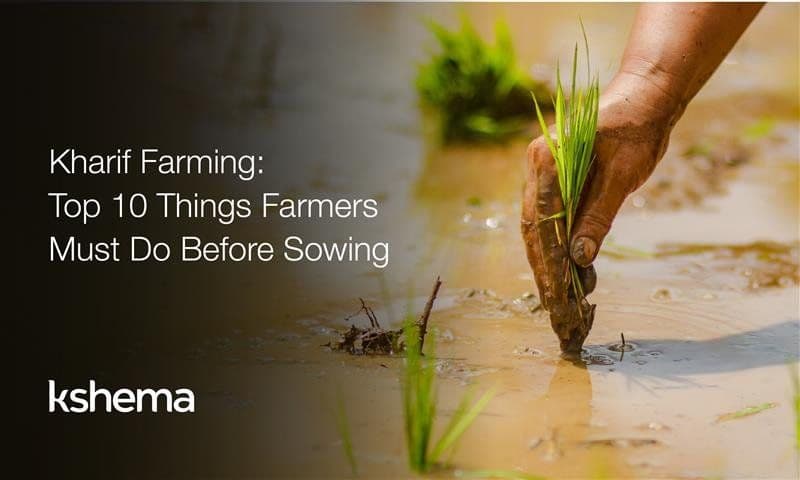
10 Essential Steps to Prepare for a Successful Kharif Farming SeasonThe arrival of the monsoon signals the beginning of the Kharif season — the most important period in Indian agriculture. For millions of farmers, Kharif farming brings hope for a productive harvest, but also uncertainty from unpredictable weather and rising input costs.At Kshema, we believe that success in Kharif starts before the first seed is sown. With the right planning, preparation, and protection, farmers can reduce risk,
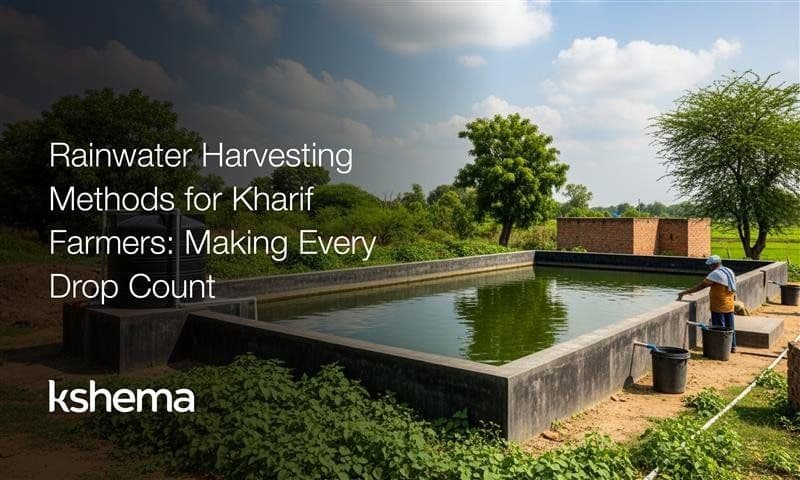
The Kharif season depends heavily on the southwest monsoon, but rainfall has become increasingly unpredictable for farmers in many Indian states. Even a short dry spell during germination or flowering can reduce crop yield. Rainwater harvesting offers farmers a simple, low‑cost way to store water, improve soil moisture and protect crops during uncertain weather. This guide explains practical rainwater harvesting methods suited to small and marginal farmers, along with expert tips and available g